
Pumpkin Seeds Daily Limit: Benefits and Side Effects
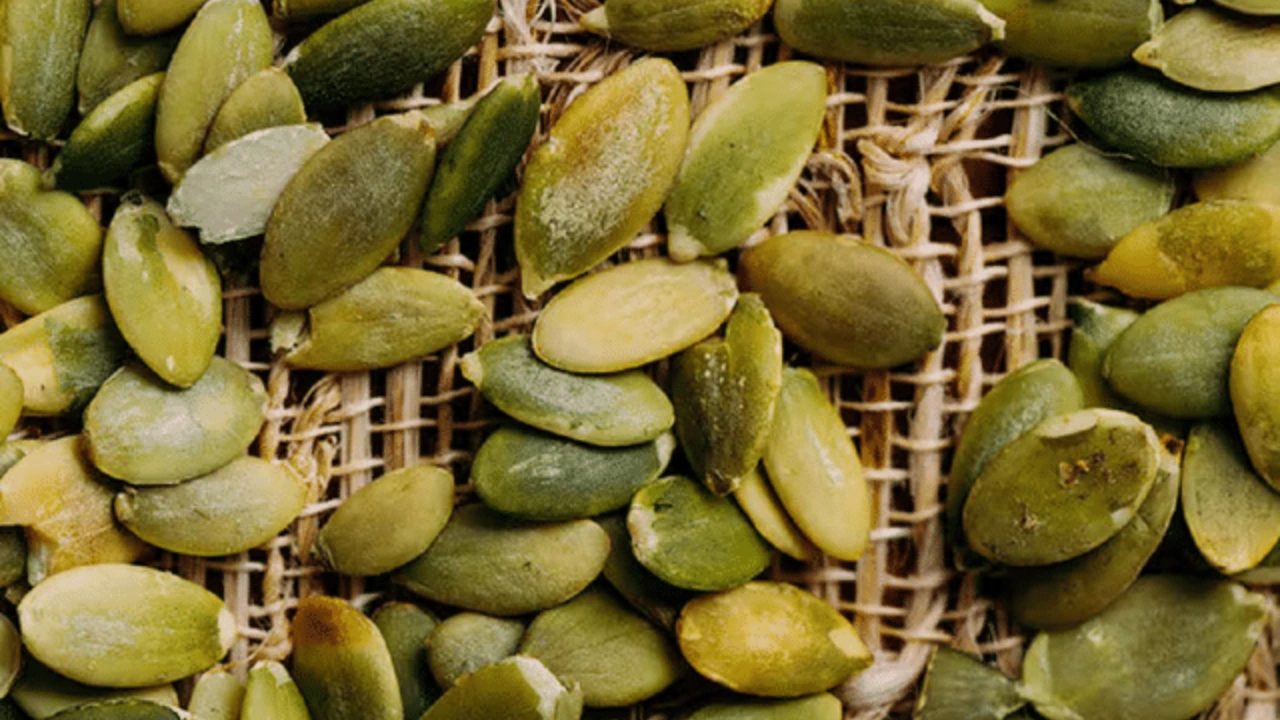
Pumpkin seeds have become one of the most popular healthy snacks in recent years. These tiny green seeds, often called pepitas, are known for their rich nutritional profile and impressive health benefits. They are packed with protein, fiber, antioxidants, and important minerals like magnesium, zinc, and iron.
Because pumpkin seeds are so nutrient-dense, many people include them in smoothies, salads, and breakfast bowls. But an important question often comes up: how many pumpkin seeds should you eat each day to get the benefits without overdoing it?
Understanding the correct portion size can help you enjoy their nutritional advantages while avoiding unnecessary calories or digestive discomfort.
Ideal Daily Amount of Pumpkin Seeds
Nutritionists generally recommend consuming around 1 ounce (28 grams) of pumpkin seeds per day. This equals about two to three tablespoons or a small handful.
This serving size provides a good balance of nutrients while keeping calorie intake under control.
A typical 28-gram serving of pumpkin seeds contains:
-
Around 160 calories
-
Approximately 8 grams of protein
-
Around 4 grams of fiber
-
Healthy unsaturated fats
-
Magnesium, zinc, phosphorus, and iron
Because pumpkin seeds are calorie-dense, eating more than the recommended portion may add unnecessary calories to your daily diet.
Nutritional Value of Pumpkin Seeds
Pumpkin seeds are often considered a nutrient powerhouse. They provide multiple essential nutrients that support overall health.
Some of the most important nutrients found in pumpkin seeds include:
-
Magnesium: Supports muscle and nerve function
-
Zinc: Helps boost the immune system
-
Iron: Important for oxygen transport in the blood
-
Protein: Helps build and repair body tissues
-
Antioxidants: Protect cells from damage
This combination of nutrients makes pumpkin seeds a valuable addition to a balanced diet.
Major Health Benefits of Pumpkin Seeds
1. Promotes Heart Health
Pumpkin seeds contain healthy fats, magnesium, and antioxidants that may help support cardiovascular health. Magnesium helps regulate blood pressure, while healthy fats support balanced cholesterol levels.
Several studies suggest that diets rich in magnesium may reduce the risk of heart disease.
2. Strengthens the Immune System
Zinc is one of the key nutrients found in pumpkin seeds. This mineral is essential for immune function and helps the body fight infections.
Zinc also supports skin health, wound healing, and hormone regulation.
3. Supports Better Sleep
Pumpkin seeds naturally contain tryptophan, an amino acid that plays a role in producing serotonin and melatonin. These hormones help regulate mood and sleep patterns.
Eating pumpkin seeds in the evening may support improved sleep quality.
4. Helps Maintain Healthy Blood Sugar Levels
Pumpkin seeds have a low carbohydrate content and contain fiber and protein, which help stabilize blood sugar levels.
Magnesium in pumpkin seeds may also support better insulin function.
5. Improves Digestive Health
Fiber is essential for maintaining a healthy digestive system. Pumpkin seeds provide fiber that supports gut health and helps prevent constipation.
A small daily portion can contribute to better digestive function.
6. May Support Prostate Health
Pumpkin seeds have long been associated with supporting prostate health in men. Some research suggests they may help reduce symptoms related to prostate enlargement.
They may also help improve bladder function.
Possible Side Effects of Eating Too Many Pumpkin Seeds
Although pumpkin seeds are healthy, excessive consumption can lead to some unwanted effects.
Digestive Issues
Eating large quantities of pumpkin seeds may cause digestive discomfort such as bloating, gas, or stomach cramps. This is mainly due to their fiber and fat content.
High Calorie Consumption
Pumpkin seeds are nutrient-dense but also calorie-rich. Regularly consuming large amounts may contribute to weight gain if overall calorie intake becomes excessive.
Sodium Intake
Many packaged pumpkin seeds are heavily salted. High sodium intake may increase the risk of high blood pressure.
Choosing unsalted or lightly salted seeds is a healthier option.
Potential Allergies
Though uncommon, some individuals may experience allergic reactions to pumpkin seeds. Symptoms may include itching, swelling, or digestive issues.
If any unusual symptoms occur, it is best to stop consumption and consult a healthcare professional.
Healthy Ways to Eat Pumpkin Seeds
Pumpkin seeds are extremely versatile and easy to include in daily meals.
Some popular ways to enjoy them include:
-
Sprinkling them over salads
-
Adding them to oatmeal or yogurt
-
Blending them into smoothies
-
Mixing them into granola or trail mix
-
Using them as a topping for soups
-
Eating roasted pumpkin seeds as a snack
For maximum nutrition, choose raw or lightly roasted pumpkin seeds without added salt.
Who Should Be Careful With Pumpkin Seeds?
While pumpkin seeds are safe for most people, certain individuals should consume them in moderation:
-
People following a low-calorie diet
-
Individuals with digestive sensitivity
-
Those needing to control sodium intake
As with most foods, moderation is key.
Pumpkin seeds are one of the healthiest seeds you can add to your daily diet. They provide essential nutrients, support heart health, boost immunity, and may even improve sleep.
However, because they are calorie-dense, it is best to limit consumption to about one ounce or a small handful per day.
By eating pumpkin seeds in moderation and choosing unsalted varieties, you can enjoy their many health benefits while maintaining a balanced and healthy diet.