
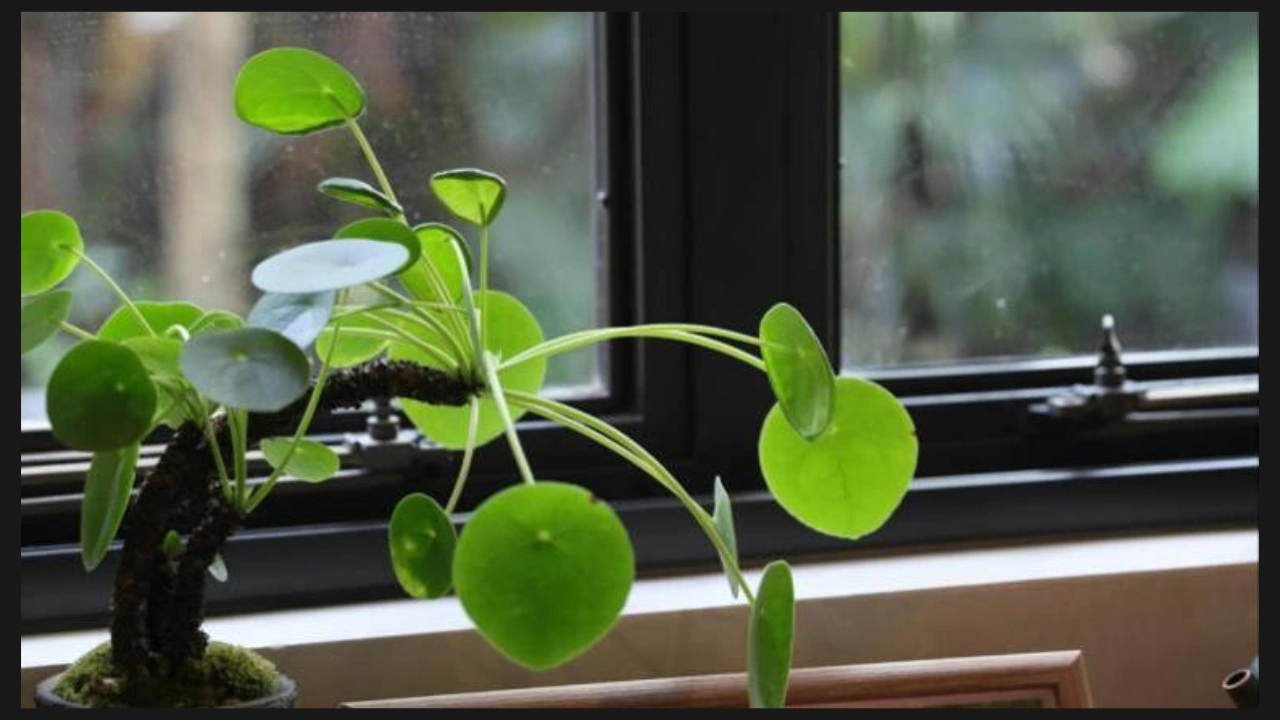
I kept Money Plant in the north corner of my study for two years and here’s what I noticed and want to share all with you. Walk into almost any Indian home, office cabin, or café counter and there’s a fair chance you’ll spot one — a trailing vine with glossy, heart-shaped leaves climbing a bamboo pole or spilling out of a glass jar of water. The money plant has become the default “lucky plant,” gifted at housewarmings, kept on office desks, and passed around in cuttings between neighbours. But ask ten plant owners why they have one, and most will say some version of the same thing: it’s supposed to bring wealth.
What fewer people know is that where you place it matters just as much as whether you have one at all — at least according to Vastu Shastra and Feng Shui, the two traditions most responsible for the plant’s reputation. This guide breaks down the ideal directions, the reasoning behind them, and what the plant actually does for your home beyond the folklore.
What Exactly Is a Money Plant?
Despite the name, it has nothing to do with currency. Botanically, it’s Epipremnum aureum, more commonly known as Golden Pothos, and sometimes called Devil’s Ivy because of how hard it is to kill. It’s a trailing or climbing vine native to Southeast Asia, prized for glossy variegated leaves and an almost stubborn willingness to grow in low light, low-effort conditions.
That toughness is a big part of why it’s everywhere. It tolerates missed waterings, adjusts to indoor light, and can grow in soil or in a jar of plain water — which is exactly why it’s the go-to recommendation for anyone who says “I can’t keep plants alive.”
Why Direction Is Considered So Important
Vastu Shastra and Feng Shui are centuries-old systems from India and China respectively, and while they differ in detail, both work on a similar premise: the placement of objects, furniture, and even plants within a space affects the flow of energy — referred to as prana in Vastu and chi or qi in Feng Shui. Get the balance right, the thinking goes, and the space supports health, relationships, and prosperity. Get it wrong, and that energy stagnates or works against you.
It’s worth being upfront about something here: there’s no scientific research showing that a plant’s compass direction changes anyone’s bank balance. What placement guidelines can influence is far more concrete — how much light the plant receives, how it fits into a room’s layout, and whether it visually anchors a space well. The wealth part is symbolic and cultural, followed by millions of households as tradition rather than physics. If that tradition matters to you, direction is worth getting right. If it doesn’t, the plant is still a genuinely good addition to a home.
Best Directions to Place a Money Plant
1. Southeast — The Traditional Wealth Corner
In Vastu, the southeast belongs to Lord Kubera, the deity of wealth, which makes it the single most recommended spot for a money plant. Positioning it here is believed to draw financial stability and steady growth into the household. If you only follow one placement rule, this is the one most Vastu practitioners point to first.
2. North — For Career and Professional Growth
The north direction is tied to career trajectory and business opportunities. A money plant kept in the northern part of a living room or home office is thought to support professional momentum — useful if you’re job-hunting, running a business, or simply want that corner of the house to feel more purposeful.
3. East — For Family Harmony and Health
East-facing corners are associated with health and family bonds. A money plant here is believed to ease tension at home and support a calmer, more connected household — a nice pairing for a family or dining area, since east-facing windows also tend to bring gentle morning light.
4. West — For Creativity and Fresh Starts
The west is linked to new beginnings and creative energy. Keeping the plant here is thought to be favourable for anyone starting a new venture, creative project, or life chapter.
The Feng Shui Alternative: Use the Bagua Map
Feng Shui practitioners work slightly differently, using what’s called a Bagua map — a grid overlaid on your home’s floor plan that divides it into zones tied to different life areas. The wealth zone typically sits in the far-left corner of the house as measured from the main entrance. Placing a healthy, well-tended money plant in that corner is believed to activate abundance energy for the household, similar in spirit to the southeast rule in Vastu.
Where to Keep It: Best Rooms in the House
- Living Room: The most common spot, and for good reason — it doubles as décor while sitting at the heart of the home’s energy flow.
- Home Office or Study: Popular with freelancers and business owners who want a visual (and symbolic) nudge toward productivity and financial growth.
- Balcony with Filtered Light: As long as it’s shielded from harsh, direct sun, a balcony gives the plant the bright indirect light it actually needs to thrive.
Where You Should Avoid Keeping It
Both tradition and basic plant care agree here: skip dark, unventilated corners, bathrooms without airflow, and spots under intense direct sunlight, which will scorch the leaves. The plant wants bright but indirect light and a bit of humidity — not a sunless closet and not a blazing windowsill.
Beyond the Symbolism: What the Plant Actually Does
Strip away the Vastu and Feng Shui angle, and the money plant still earns its spot indoors on merit. Like many houseplants, it’s a reasonably effective at filtering common indoor air pollutants and topping up oxygen levels in a room. Multiple studies on indoor greenery more broadly have also linked having plants around to lower stress and better mood — not a guarantee, but a well-documented pattern.
It also adds a small amount of humidity to dry indoor air, which can make a room feel more comfortable, especially with air conditioning running. And on a purely aesthetic level, its cascading green leaves soften hard interior lines and bring life to a room in a way few other low-maintenance plants manage.
Simple Care Tips to Keep It Thriving
- Water only once the top layer of soil feels dry to the touch — this plant tolerates neglect far better than overwatering.
- Make sure the pot has proper drainage; soggy roots lead to rot fast.
- Give it bright, indirect light rather than deep shade or harsh sun.
- Trim it periodically to keep growth full and bushy rather than leggy.
- If growing in water, change it every one to two weeks to prevent stagnation.
Both Vastu and Feng Shui agree on one practical point: a droopy, yellowing, or dying plant carries the opposite of good fortune. A well-cared-for plant is considered essential to any of the placement benefits actually “working” — symbolically or otherwise.
FAQs
1. What is a money plant, really? It’s Golden Pothos (Epipremnum aureum), also called Devil’s Ivy — a trailing vine known for its heart-shaped leaves and ease of care, unrelated to any actual currency.
2. Does a money plant actually bring wealth? There’s no scientific link between plant placement and finances. In Vastu and Feng Shui traditions, though, a healthy money plant placed in the right direction is believed to symbolize and encourage prosperity.
3. Does it genuinely improve air quality? Yes, to a modest degree — it’s known to help filter some common indoor pollutants and add a bit of oxygen and humidity to a room.
4. Where should I never place it? Avoid poorly ventilated bathrooms, pitch-dark corners, and spots in direct, intense sunlight.
5. How often does it need water? Only when the topsoil feels dry — overwatering is the most common way people accidentally kill this otherwise hard-to-kill plant.
The Bottom Line
Whether or not you buy into the wealth symbolism, a money plant is one of the easiest, most rewarding additions you can make to a home — low-maintenance, air-purifying, and genuinely pleasant to look at. If Vastu or Feng Shui matter to you, the southeast corner (or your home’s Bagua wealth zone) is the placement worth prioritizing. If they don’t, just give it bright indirect light, don’t overwater it, and let it do what it does best: grow.