

Home remedies for acidity: Festive season in India is wonderful for a lot of reasons, and hard on the digestive system for exactly the same ones. Between Navratri fasting followed by generous feasting, rich fried snacks, heavy sweets and meals that run later than usual, October through November is reliably the season when acidity, bloating and general digestive discomfort show up in households across the country.
Here is a practical guide to the home remedies that actually help, why festive eating tends to trigger these symptoms in the first place, and when digestive discomfort is a sign to see a doctor rather than reach for another home remedy.
Why Festive Eating Hits Digestion So Hard
A few things stack up during festival season. Meals tend to be larger and richer than usual, often featuring fried snacks, ghee-heavy sweets and dishes cooked with more oil and spice than everyday cooking. Meal timing also shifts, with late-night eating during celebrations, puja gatherings or family visits becoming more common than during a regular week.
For many households, this also follows directly after a period of fasting, such as Navratri, where the digestive system adjusts to a lighter diet for several days, only to be hit with a sudden return to heavier, richer food once the fast ends. This combination, a sudden dietary shift plus genuinely heavier meals, is a big part of why acidity and bloating spike so predictably during this stretch of the year.
Jeera (Cumin) Water

Cumin water is one of the most widely used home remedies for digestive discomfort in Indian households, and it genuinely earns its reputation. Cumin seeds contain compounds that are traditionally believed to stimulate digestive enzymes and ease bloating.
To prepare it, boil a teaspoon of cumin seeds in two cups of water for five to seven minutes, strain, and drink it warm. This can be taken after a heavy meal, or first thing in the morning as a general digestive support during a period of rich eating. Some people also simply chew a pinch of roasted cumin seeds directly after a meal as a quicker alternative.
Ajwain (Carom Seeds) with Warm Water
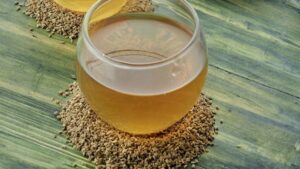
Ajwain is another kitchen staple reached for specifically when acidity or gas sets in after a heavy meal. Chewing a small pinch of ajwain seeds, sometimes with a touch of black salt, and following it with a glass of warm water, is a common and fairly fast-acting remedy for bloating and gas discomfort.
Ajwain contains thymol, a compound believed to support digestive function, which is part of why this particular seed has remained a go-to remedy across generations for exactly this kind of discomfort.
Saunf (Fennel Seeds)
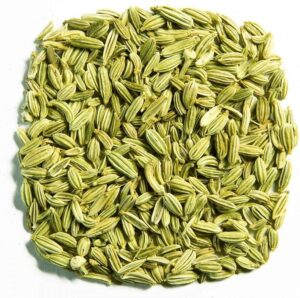
Fennel seeds, often served after meals at Indian restaurants and at home, are not just a breath freshener, they are a genuine digestive aid. Chewing a small spoonful of fennel seeds after a meal is one of the simplest and most pleasant remedies for mild bloating and gas, and it is gentle enough to use regularly throughout festival season without concern.
Fennel seeds can also be boiled in water to make a simple tea, which some people prefer over chewing the seeds directly, particularly in the evening after a heavy dinner.
Also read: Vastu Tips for the Bedroom: Bed Direction, Mirror Placement and Colour
Ginger
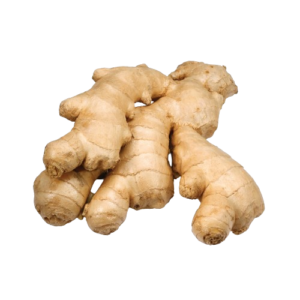
Ginger is one of the most well-supported natural remedies for digestive discomfort, with properties that help ease nausea, bloating and general stomach upset. A small piece of fresh ginger, either chewed directly with a pinch of salt, or steeped in hot water as a simple tea, is a reliable remedy after a particularly rich meal.
Ginger tea with a touch of lemon is a common variation, and some people add a small amount of honey, both for taste and for honey’s own mild soothing properties on the digestive tract.
Buttermilk (Chaas)
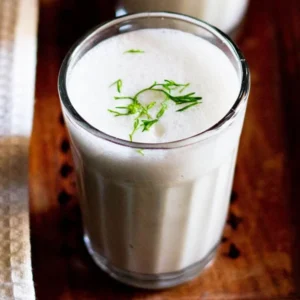
A glass of spiced buttermilk, made with yogurt, water, roasted cumin powder, a pinch of black salt and sometimes a few curry leaves or fresh coriander, is one of the most popular post-meal digestive aids in Indian households, particularly after a heavy lunch. The probiotic content in yogurt supports gut health, while the spices added to buttermilk are specifically chosen for their traditional digestive benefits.
This is especially useful during festival season since it is light, cooling, and easy to prepare quickly even when you are already feeling uncomfortably full.
Warm Water with Lemon
A glass of warm water with a squeeze of fresh lemon, taken either first thing in the morning or after a heavy meal, is a simple remedy believed to support digestion and ease the sense of heaviness that often follows a rich festive meal. This is a gentler option compared to some of the more strongly flavored remedies above, and works well for people who find seeds and stronger spices harder to tolerate when already feeling unwell.
Avoiding Lying Down Immediately After Eating
This is less a remedy and more a habit worth protecting during festival season, when the temptation to sit or lie down after a heavy meal is strongest. Staying upright, or taking a short, gentle walk, for at least twenty to thirty minutes after eating helps support digestion and reduces the likelihood of acid reflux, which is more likely to occur when lying flat soon after a large meal.
A short, slow walk after dinner, a common tradition in many households anyway, genuinely supports this process and is worth prioritizing even when you are tired or full after a long day of celebrations.
Eating Smaller, More Frequent Portions
During a period of back-to-back festive meals, it can help to consciously eat smaller portions at each sitting rather than a single very large meal, particularly at gatherings where multiple rich dishes are served over several hours. This reduces the burden on your digestive system at any one time and tends to leave you feeling more comfortable overall, even if the total amount of food eaten across the day is similar.
Herbal Teas
Beyond ginger and fennel tea already mentioned, a simple tulsi (holy basil) tea, or a combination of tulsi and ginger, is commonly used as a gentle digestive support, particularly in the evening after the day’s celebrations have wound down. Peppermint tea, while less traditional in Indian households, is also widely recognized for easing bloating and mild digestive discomfort, and has become more common as an option in recent years.
What to Limit During Festival Season, If You Can
While nobody expects complete restraint during Diwali or Navratri celebrations, a few small, realistic adjustments can meaningfully reduce digestive discomfort. Limiting how much fried food is eaten in a single sitting, even if you cannot avoid it altogether, pacing sweets across the day rather than eating a large quantity at once, and staying well hydrated with plain water between richer foods and drinks, all help moderate the overall load on your digestive system during a period when indulgence is otherwise the norm.
When Home Remedies Are Not Enough
Most festive-season acidity and bloating is mild, temporary, and resolves within a day or so with basic home care and a return to normal eating patterns. There are times, though, when digestive discomfort needs more than a home remedy.
See a doctor if you experience severe or persistent abdominal pain that does not ease with rest or basic remedies, if acidity or heartburn occurs frequently even outside of heavy festive meals, suggesting a more chronic issue like GERD, if you notice blood in vomit or stool, unexplained weight loss, or difficulty swallowing, all of which need prompt medical evaluation rather than home treatment, or if bloating is accompanied by a fever, which could indicate something beyond simple digestive overload.
If you already manage a diagnosed digestive condition, check with your doctor about how to navigate festive eating safely, since some remedies and dietary adjustments may need to be tailored to your specific situation rather than applied generically.
Building a Simple Festive Season Digestive Routine
Rather than waiting until discomfort hits and then scrambling for a remedy, a simple daily routine through the festive weeks can help prevent the worst of it. Starting the day with warm water and lemon, keeping fennel or cumin seeds handy after meals, taking a short walk after dinner, and allowing at least one lighter meal a day amid the richer celebratory ones are all small, sustainable habits that make a real difference over a few weeks of continuous festivities.
Festive-season acidity and bloating are common enough that nearly every Indian household has its own go-to remedy, and most of them, cumin water, ajwain, fennel seeds, ginger and spiced buttermilk, genuinely help ease mild, temporary digestive discomfort. Pair these with simple habits like staying upright after meals and pacing your eating across the day, and most festive digestive troubles resolve on their own. Anything more severe or persistent is worth a proper medical check rather than another round of home remedies, so you can get back to enjoying the season without discomfort getting in the way.