
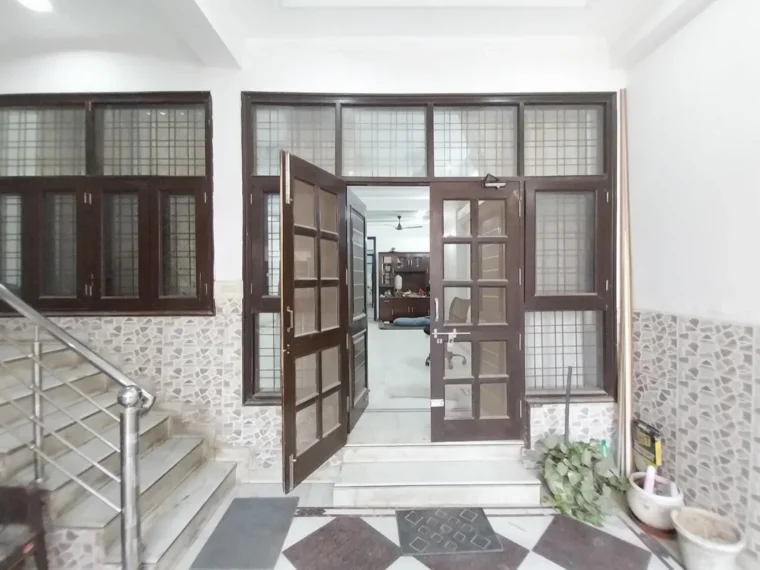
Renting Your First Flat in India: Renting your first flat is an important step towards independence. It can also be overwhelming, especially if you are moving to a new city for work, starting university or leaving a family home for the first time. The search often begins with photographs of attractive rooms and a convenient location, but a successful rental decision requires much more than liking the appearance of a property.
Your monthly expenses, commute, neighbourhood, building condition and rental terms will all influence your experience. A flat that looks affordable at first may become expensive once maintenance, transport, electricity and other charges are included.
The good news is that a little preparation can prevent many common problems. Before paying a deposit or signing an agreement, work through the following steps to make a more informed decision.
Set a Realistic Budget Before House Hunting
Start by calculating how much you can comfortably spend each month. Rent is only one part of the cost of living independently. You may also need to pay for electricity, water, internet, cooking gas, maintenance, parking and household supplies.
Moving costs can be significant too. You might need to arrange transport for your belongings, buy basic furniture or pay a broker’s fee where applicable. A property with a slightly lower rent may not save money if it requires expensive commuting or extensive repairs.
Create a simple monthly budget that includes:
- Rent and maintenance charges.
- Utilities and internet.
- Daily transport or fuel.
- Groceries and household essentials.
- Savings for emergencies and unexpected expenses.
Keep some money available after paying the deposit and moving costs. Using all your savings to secure a flat can leave you unprepared for a medical bill, job change or urgent repair.
Choose the Right Location
Location affects your daily routine more than you may expect. A flat close to work or college can save time and transport expenses, while a cheaper property far away may involve a long commute.
Visit the neighbourhood at different times if possible. A street that feels quiet in the afternoon may be crowded or noisy at night. Check access to public transport, grocery shops, pharmacies, healthcare facilities and other places you regularly use.
Safety is also important. Look at street lighting, building entry arrangements and the general condition of the surrounding area. Speak to residents or the building manager where appropriate, but remember that individual opinions may differ.
Consider your actual lifestyle rather than choosing a location based only on popularity. If you work late, reliable transport and a practical route home may matter more than nearby cafés or shopping centres.
Also read: Grocery-Store Tourism: Why Neighbourhood Markets Are Urban Discovery
Inspect the Flat in Person
Online photographs can help you shortlist properties, but they rarely show every issue. Whenever possible, inspect the flat before making a financial commitment.
Start with the basics. Turn on taps and check water pressure. Look beneath sinks for signs of leakage. Examine walls and ceilings for damp patches, peeling paint or mould. Open windows and doors to see whether they work properly, and check that locks feel secure.
Test lights, fans, switches and accessible electrical outlets. Ask about the condition of major appliances if they are included in the rent. Look for damaged tiles, broken fittings and signs of pests. A fresh coat of paint can make a room look better without resolving underlying problems.
Pay attention to ventilation and natural light. A flat that feels comfortable during a short visit may become unpleasant if rooms remain damp, dark or poorly ventilated.
If the owner promises to fix something before you move in, ask for the commitment to be recorded in writing, along with an expected completion date.
Understand the Total Cost of Moving In
Before paying anything, request a clear breakdown of the initial charges. These may include the security deposit, first month’s rent, maintenance, brokerage and other agreed costs.
Do not assume that every landlord or city follows the same deposit practice. Requirements vary by location, property and agreement. Ask how the deposit will be handled, what deductions may be made and when the balance is expected to be returned after you move out.
Confirm whether maintenance is included in the rent or charged separately. Clarify responsibility for parking, water supply, electricity, internet installation and other recurring expenses.
Keep receipts and payment confirmations. Where possible, make payments through a traceable method and ensure that the recipient and purpose are clearly documented. Avoid rushing to transfer money simply because someone claims that another applicant is about to take the flat.
Read the Rental Agreement Carefully
A rental agreement should clearly explain the terms under which you will occupy the property. Do not sign it without reading the complete document and resolving any unclear wording.
Check the names of the parties, property address, monthly rent, payment date, deposit, duration of the agreement and any rent revision terms. The agreement should also explain the notice period, renewal process and circumstances in which the tenancy can end.
Pay attention to restrictions relating to guests, pets, parking, use of common areas and making changes to the property. Confirm who is responsible for routine maintenance and major repairs.
The agreement should specify how the deposit will be settled when you leave, including any deductions for damage or unpaid charges. Normal wear and tear may be treated differently from actual damage, so clarify the applicable terms.
Rental laws, stamp duty, registration requirements and local procedures can differ across Indian states and circumstances. Do not assume that a verbal explanation overrides the written terms or that a generic agreement covers every legal requirement. If something significant is unclear, seek appropriate local legal guidance before signing.
Verify the Owner and Property Details
Before transferring a deposit, take reasonable steps to confirm that the person offering the flat has the authority to rent it. Ask for suitable identification and documentation, handled respectfully and with attention to privacy.
If you are dealing with an agent, clarify whom they represent and how their fee is calculated. Ask for a written record of the agreed brokerage and whether any additional charges apply.
Be cautious if the person refuses to let you view the property, demands immediate payment without documentation or offers a price that seems unusually low compared with similar flats nearby. These signs do not prove fraud on their own, but they justify additional checks.
Never rely only on screenshots or forwarded documents when substantial money is involved. Verify details through appropriate channels and make sure the person receiving payment matches the documented arrangement.
Document the Flat’s Condition
Before moving in, take dated photographs or a video of the flat. Capture existing scratches, damaged furniture, stained walls, broken fixtures and any other visible problems.
Share the record with the landlord or property manager and ask them to acknowledge it. If the flat comes with furniture or appliances, make a written inventory that identifies what is included and notes its condition.
This record can help prevent disagreements when you move out. It also creates a useful starting point for deciding whether a repair is needed during the tenancy.
Keep copies of the rental agreement, payment receipts, maintenance communications and repair requests in one organised folder. Digital copies are useful, but protect them with appropriate account security.
Ask About Building Rules and Daily Practicalities
Every building has its own routines. Before committing, ask about visitor access, delivery arrangements, waste collection, water availability, lift maintenance, parking and any restrictions affecting your daily life.
If the flat is in a large apartment complex, check whether maintenance charges are fixed or subject to change. Find out whom to contact if there is a plumbing problem, power issue or security concern.
If you work from home, check mobile network coverage and whether a reliable broadband connection is available. If you depend on public transport, confirm the actual walking route rather than relying only on a map’s estimated distance.
These practical details may seem minor during a viewing, but they can strongly influence how comfortable you feel after moving in.
Final Checklist Before You Pay
Before making the final decision, make sure you have inspected the property, understood all charges, checked the rental terms and received confirmation of any promised repairs. Confirm who will hold the deposit, how rent should be paid and whom to contact for maintenance.
Do not let urgency replace basic checks. A good rental decision should make sense financially and practically, not just look attractive in an online listing.
Once you move in, keep communication polite and documented. Report maintenance problems promptly, pay rent according to the agreement and give proper notice if you decide to leave.
Renting your first flat in India becomes much easier when you approach it as a financial and practical decision rather than an emotional one. A suitable home should fit your budget, commute, daily routine and expectations for privacy and comfort.
Take time to inspect the property, understand the agreement and record its condition before moving in. The right preparation can reduce avoidable disputes and help you settle into your new home with greater confidence.