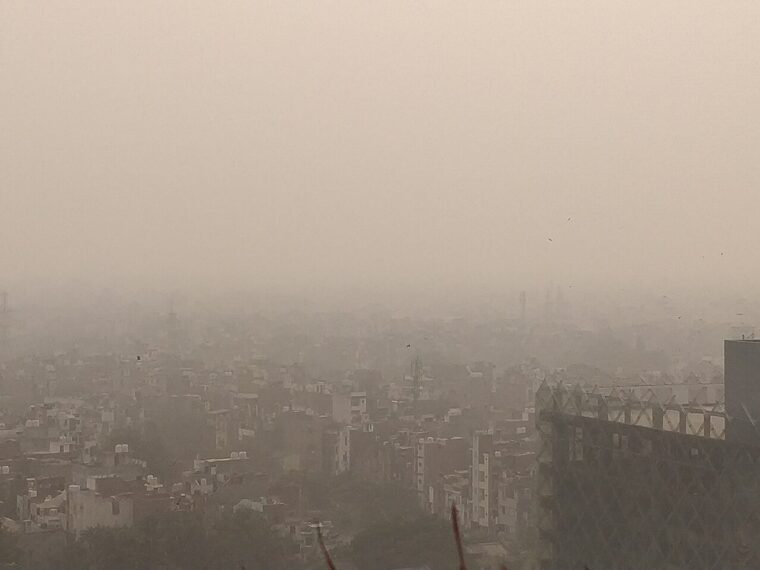
You can usually tell the season has changed in Delhi before anyone announces it. The sky turns a flat, milky grey, the sunset looks smudged, and someone in the office starts coughing on the morning call. This year the official signal came on October 21, when the Commission for Air Quality Management (CAQM) invoked Stage I of the Graded Response Action Plan, better known as GRAP, across the entire National Capital Region.
Delhi’s average AQI had jumped from 179 on October 20 to 244 by 2 PM on October 21, moving from “moderate” to “poor”. The forecast from IMD and IITM said it would stay in that band for the coming days. Since then the numbers have swung around. On October 27, the city average was back in the moderate range at 197, but 27 of 55 monitoring stations were still reading “poor”, with Jahangirpuri the worst at 280, according to PTI.
With Diwali on November 8 and colder, still nights on the way, this is the stretch when city air usually gets worse before it gets better. Here is what GRAP Stage I actually means for you, and the small, practical things that make the next few weeks easier.
GRAP in plain words
GRAP is a set of emergency measures that switch on in stages as Delhi’s AQI worsens. The schedule was last revised on September 29, 2026, and the four stages are:
- Stage I, “Poor”: AQI 201 to 300
- Stage II, “Very Poor”: AQI 301 to 400
- Stage III, “Severe”: AQI 401 to 450
- Stage IV, “Severe+”: AQI above 450
Each stage adds to the one before it. Stages can also be triggered in advance if the forecast says air is about to cross a threshold, so restrictions can arrive a day or two before the numbers do.
What changes under Stage I
Stage I is mostly about enforcement, not lockdowns. Schools and offices run as normal. The 25 action points focus on things like dust control at construction sites, covering and properly disposing of construction waste, mechanised road sweeping and water sprinkling, a strict ban on open burning of garbage and biomass, and tighter checks on vehicles without valid pollution certificates.
For most city residents, the direct impact is small but real:
- Check your PUC. Enforcement of pollution-under-control certificates is stepped up, and visibly polluting vehicles can be stopped and fined. If your certificate is close to expiry, renew it this week.
- Older vehicles face stricter checks. Rules on overaged diesel and petrol vehicles are being enforced more strictly.
- No burning, anywhere. That includes the small pile of dry leaves in the society park. Open burning is banned, and penalties apply.
Start with the number that matters
The city average hides a lot. On the same day, one part of Delhi can be in the moderate range while another is close to very poor. Check the reading for the monitoring station closest to your home and office rather than the headline figure. The Central Pollution Control Board’s SAMEER app shows station-level data, and many weather apps now show AQI by location too.
Make it a habit to check before planning anything outdoors, the same way you check for rain in the monsoon.
At home: make one room your clean-air room
You do not need to turn your whole flat into a sealed bubble. Pick the room where you sleep and focus your effort there.
- Keep windows shut when readings are high, usually late night and early morning when the air is still. Air out the house in the afternoon when the sun is up and readings tend to dip.
- If you buy an air purifier, size it properly. Look for a true HEPA filter and check the CADR (clean air delivery rate) against your room size. A small purifier in a large living room will not do much.
- Change filters on time. A clogged filter is little better than no filter. Note the replacement date on your phone when you install it.
- Cut indoor smoke. Agarbatti, dhoop, mosquito coils and deep-frying without an exhaust all add particles to the air you are trying to clean. Use the kitchen chimney every time you cook.
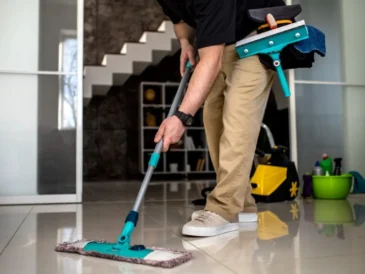
- Wet-mop instead of sweeping. Dry sweeping pushes fine dust back into the air. A damp cloth on window sills and fan blades helps too.
If you have already started festive cleaning, our room-by-room Diwali deep-cleaning checklist fits neatly with this. Dusting curtains, fans and AC filters now does double duty.
On the road
- Use recirculation mode in the car on congested roads, so you are not pulling in exhaust from the vehicle ahead.
- Wear a well-fitting N95 or equivalent mask on two-wheelers, in autos and while walking near traffic. Cloth and surgical masks do little against fine particles. Fit matters as much as the label: if your glasses fog up, air is leaking around the edges.
- Take the Metro when you can. Fewer cars on the road help everyone, and stations and trains are usually more comfortable than sitting in traffic.
- Do not idle. Switching off the engine at long red lights is a small habit that adds up across a city of millions of vehicles.
Exercise without the guilt
Many people in Delhi run or walk early in the morning, which, unfortunately, is often when the air is at its worst. On poor-air days, move workouts indoors or shift them to later in the day when readings tend to be lower. Yoga, skipping, bodyweight circuits and the building staircase all work. If you must go out, keep the effort moderate and avoid busy roads.
Look out for the vulnerable
Children, older adults, pregnant women and anyone with asthma, heart or lung conditions feel bad air first. Keep their medicines stocked before Diwali week, when pharmacies and clinics get busy. If someone at home has a chronic condition, ask their doctor now what to do on the worst days rather than figuring it out during a flare-up.
At work
If you manage a team, a little flexibility goes a long way. Allowing work from home on the worst days, staggering timings to avoid peak traffic, and making sure the office air purifiers actually have fresh filters are cheap ways to keep people healthy and productive. Employees, ask. Many workplaces already have a policy and just do not advertise it.
Play your part
The GRAP citizen charter asks residents to do simple things: keep vehicles tuned, avoid unnecessary trips, never burn waste, and report violations. The Delhi government’s Green Delhi app lets you file complaints about open burning, dust from construction sites and garbage dumping with a photo and location.
None of this will clear the sky on its own. But the next six weeks are the hardest of Delhi’s year, and the people who get through them best are usually the ones who plan a little: a sealed bedroom, a proper mask, a habit of checking the number, and a backup plan for the bad days.
Featured image: Prami.ap90, CC BY-SA 4.0, via Wikimedia Commons