
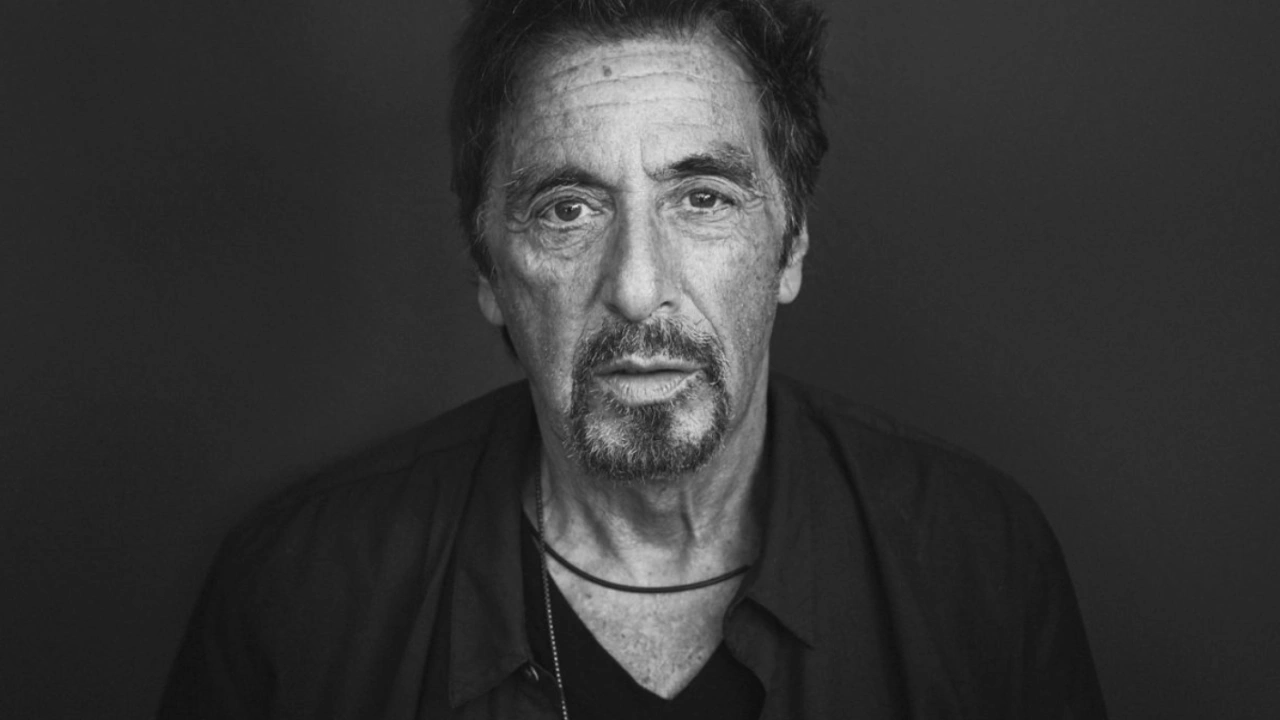
Few actors in cinematic history have achieved the legendary status of Al Pacino. From his unforgettable performances in The Godfather and Scarface to emotionally layered roles in films like Scent of a Woman and Heat, Pacino has spent more than five decades shaping modern cinema. Yet despite his achievements, awards, and global fame, the Hollywood icon insists he still sees himself as a work in progress rather than a finished legend.
In a reflective and surprisingly emotional conversation, Pacino opened up about acting, aging, missed opportunities, artistic fear, and the emotional vulnerability that continues to fuel his career. Rather than speaking like a man satisfied by legacy, Pacino sounded like someone still searching for deeper meaning inside every performance.
For many actors, reaching the level Pacino has achieved might encourage them to slow down or protect their reputation carefully. But Pacino believes creativity cannot survive if artists become trapped by their own success.
According to the veteran actor, performers should never think of their previous work as an unbeatable achievement. Instead, acting should remain an evolving process filled with risks, uncertainty, and emotional honesty. Pacino admitted that although filmmaking can become repetitive over time — reading scripts, learning dialogue, and repeating production cycles — he still feels compelled to return because every role offers the possibility of discovering something new.
That hunger for discovery has defined Pacino’s career from the beginning.
Before The Godfather changed his life forever, Pacino was far from Hollywood royalty. In fact, he revealed that many studio executives originally opposed casting him as Michael Corleone. According to Pacino, director Francis Ford Coppola was one of the only people determined to give him the opportunity.
That decision would ultimately reshape film history.
Today, fans still regard Pacino’s performance in The Godfather trilogy as one of the greatest acting achievements ever captured on screen. Across online film communities and social platforms, audiences frequently praise the actor’s ability to portray Michael Corleone’s transformation from reluctant outsider to cold and calculating mafia leader.
One longtime viewer wrote that Pacino’s performance in The Godfather Part II “feels like watching a man slowly lose his soul in silence.” Another fan described his acting as “so controlled and subtle that every expression feels dangerous.”
Pacino’s influence stretches far beyond mafia cinema. His role as Tony Montana in Scarface remains deeply embedded in pop culture decades after the film’s release. The movie continues to attract younger audiences who admire its raw intensity, memorable dialogue, and Pacino’s fearless performance.
Many fans online still quote iconic lines from Scarface, while others praise the actor’s complete physical and emotional transformation into the ruthless drug kingpin. One viewer called Pacino’s performance “chaotic, explosive, and impossible to ignore,” while another described Scarface as “one of the most rewatchable crime films ever made because of Pacino’s energy.”
Also read: Leonardo DiCaprio and Vittoria Ceretti Net Worth
Pacino also reflected on career regrets during the conversation, though he insisted he does not truly regret any decision because every experience shaped him personally and professionally. Still, he admitted there were opportunities he wishes he had pursued differently.
Among the most famous examples is Star Wars. Pacino humorously referred to turning down the legendary sci-fi franchise as one of his “big mistakes.” Over the years, film fans have frequently speculated about how different the franchise might have looked had Pacino accepted one of the lead roles offered to him during the movie’s early development.
He also mentioned declining a project from acclaimed filmmaker Terrence Malick, another missed collaboration that still lingers in his memory. Laughing about the many scripts he rejected throughout his career, Pacino joked that they belong in his personal “museum of mistakes.”
Yet even his mistakes reveal an important truth about Pacino’s philosophy toward acting: he values emotional risk more than career safety.
One of the most powerful parts of the conversation centered on vulnerability. Pacino believes artists must protect their emotional sensitivity, even as life naturally hardens people over time. According to him, actors lose something essential when they stop feeling deeply.
“You can’t let your skin get too thick,” he explained.
The statement resonated strongly with fans online, many of whom praised the honesty and wisdom behind his words. Some social media users described the quote as one of the most important lessons young artists could hear in today’s image-driven entertainment culture.
Pacino referenced playwright Bertolt Brecht while discussing how people gradually become emotionally numb as they age. He argued that actors, writers, musicians, and filmmakers must resist that emotional shutdown if they want to create meaningful work.
This emotional openness may explain why Pacino’s performances continue connecting with audiences across generations. Whether portraying a conflicted mob boss, a blind retired colonel, or a desperate detective, Pacino often brings emotional unpredictability that makes his characters feel deeply human.
Fans especially continue celebrating his work in Heat alongside Robert De Niro. The crime thriller has developed an enormous cult following over the years, with many viewers calling Pacino’s performance one of the greatest portrayals of obsession and intensity ever seen in a police drama.
“Every scene feels electric when Pacino appears,” one fan wrote in a recent movie discussion thread.
Despite decades in Hollywood, Pacino admitted he still feels uncomfortable with labels like “artist” or “movie star.” He explained that actors often struggle with image and identity because audiences permanently associate them with fame and appearance. Unlike painters or writers who can work privately, actors constantly exist in public view.
Still, Pacino acknowledged that acting remains his way of understanding life, people, and emotion. Even now, he continues moving through creative cycles — some joyful, some uncertain — while searching for honesty inside the work.
At an age when many stars choose retirement, Pacino remains committed to storytelling, vulnerability, and artistic exploration. For audiences around the world, that dedication is exactly why his legacy continues growing stronger with every generation.