Best Museums in Delhi NCR You Must Visit in 2026
Delhi is often described as a city of monuments—but that’s only half the truth. The forts, tombs, and palaces show you what was built. Museums, on the other hand, tell you why it matters.
In a world where people scroll through history in seconds, museums offer something rare: depth. They slow you down, make you curious, and help you connect with stories that shaped modern India.
Whether you’re a traveler, a student, or just someone who enjoys meaningful experiences, these museums in Delhi NCR are worth your time—not just for what they display, but for how they make you think.
1. National Museum – India’s Past, All in One Place
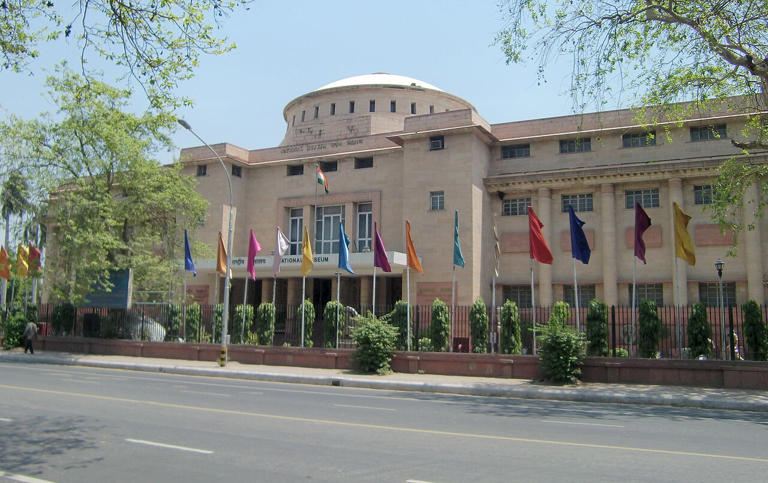
If Delhi had a “history headquarters,” this would be it.
The National Museum is where you begin if you want to understand India as a whole. It covers everything—from the Indus Valley Civilisation to medieval empires and beyond. Walking through its galleries feels like moving through time.
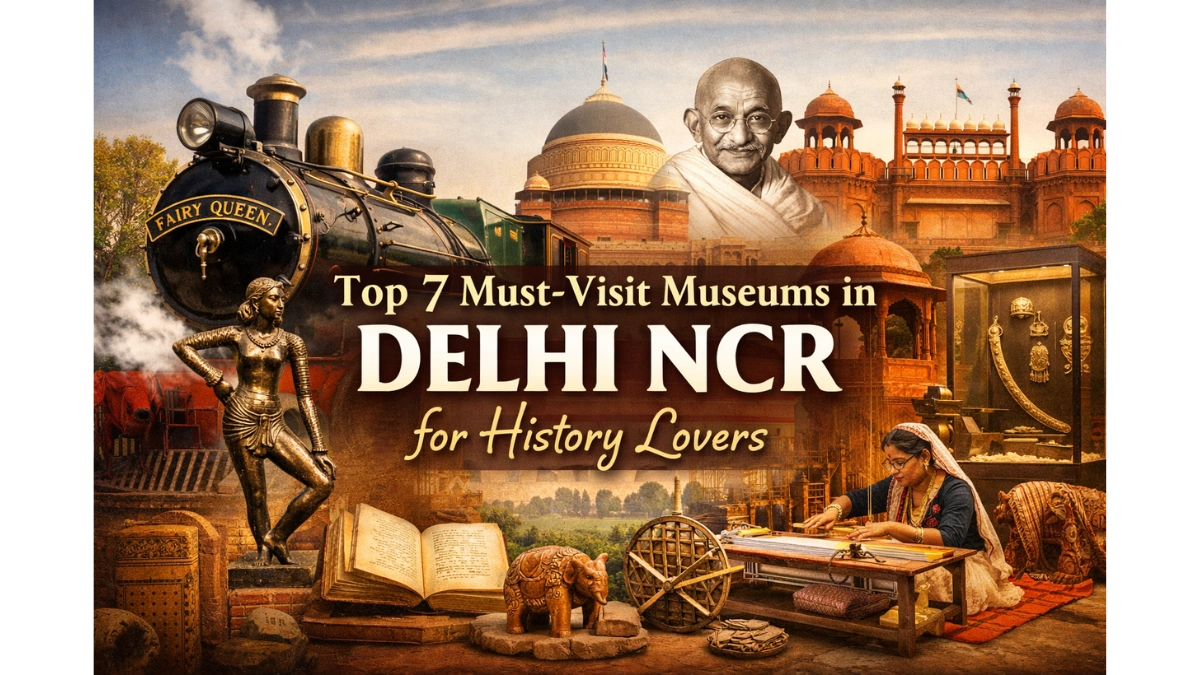
The famous Dancing Girl statue stands as a symbol of how advanced and expressive ancient Indian societies were. But what really stands out is the sheer scale—thousands of artifacts, each carrying a piece of the country’s identity.
It’s not a quick visit. And honestly, it shouldn’t be.
2. Rashtrapati Bhavan Museum – Where History Meets Technology
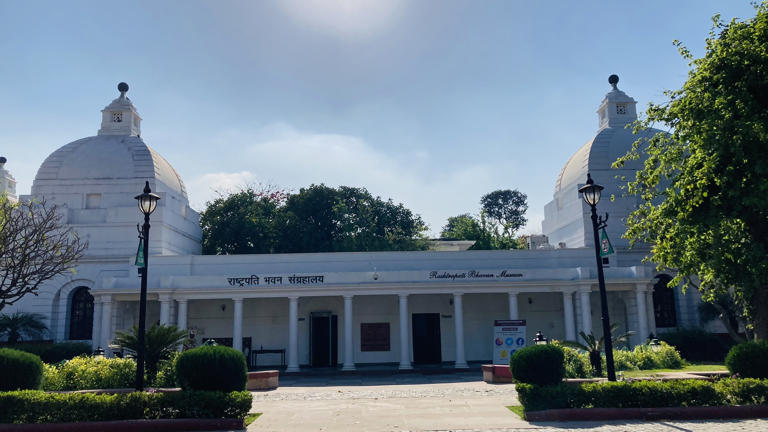
This isn’t your typical museum with glass cases and long descriptions.
The Rashtrapati Bhavan Museum uses modern tech to create an interactive experience. From digital installations to immersive storytelling, it explains how India evolved into the world’s largest democracy.
You’ll see gifts from global leaders, learn about the Constitution, and understand how the President’s role fits into the bigger system. It’s engaging, informative, and surprisingly fun.
For younger visitors especially, this museum makes history feel relevant—not distant.
3. Gandhi Smriti – Quiet, Yet Powerful
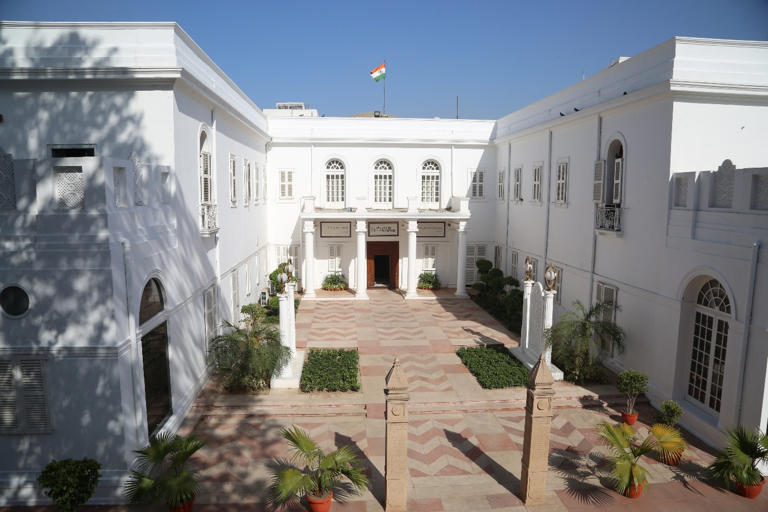
Some places don’t need elaborate displays to leave an impact.
Gandhi Smriti is one of those places. It’s simple, peaceful, and deeply emotional. This is where Mahatma Gandhi spent his final days, and where his life came to a tragic end.
The most striking feature is the pathway marking his last walk. There’s something about seeing it in person that makes history feel real—not like something you read in a textbook.
It’s the kind of place you don’t rush through.
4. Prime Minister’s Museum – Understanding Modern India
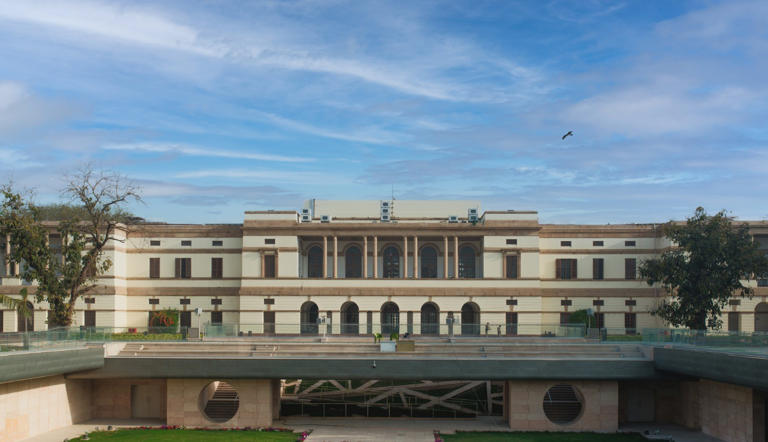
India’s journey didn’t stop in 1947—and this museum proves that.
Located at Teen Murti Bhavan, the Prime Minister’s Museum explores the lives and decisions of India’s leaders after independence. It shows how different governments handled challenges, shaped policies, and influenced the country’s direction.
What makes it interesting is its balance. It doesn’t just celebrate—it informs. You get a clearer picture of how complex nation-building really is.
If you’ve ever wondered how India became what it is today, this is where you start connecting the dots.
5. National Rail Museum – More Than Just Trains
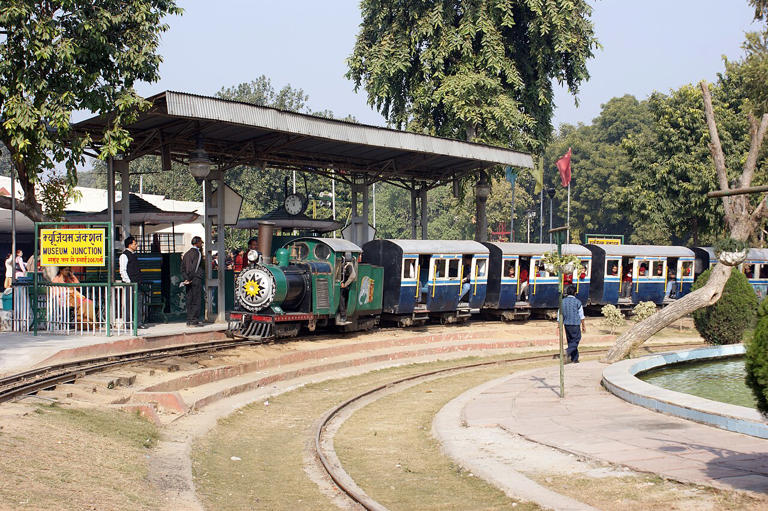
At first glance, this might seem like a place only train enthusiasts would enjoy—but it’s much more than that.
The National Rail Museum tells the story of how railways transformed India. Before trains, travel across regions was slow and limited. Railways changed everything—trade, migration, communication.
With real locomotives, vintage coaches, and historical displays, the museum brings this transformation to life. The Fairy Queen engine is a highlight, but the bigger takeaway is understanding how railways helped unite a diverse country.
It’s history in motion.
6. Red Fort Archaeological Museum – Behind the Walls
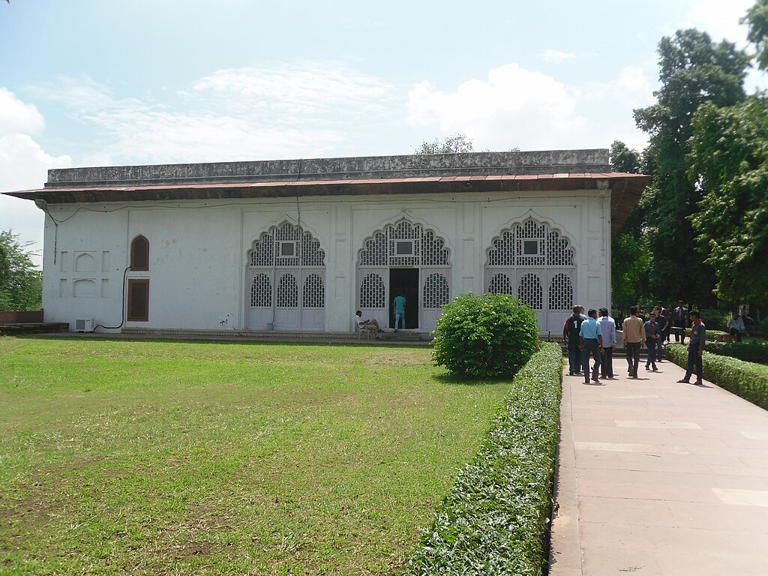
Everyone visits the Red Fort—but not everyone understands it.
This museum helps you see beyond the structure. It dives into Mughal history, especially during Shah Jahan’s era, showcasing royal artifacts, artwork, and daily life inside the palace.
It adds context to what you see outside. Suddenly, the empty halls and massive gates feel alive with stories of power, culture, and politics.
It’s a small museum, but it completes the Red Fort experience.
7. National Crafts Museum – India’s Living Traditions
History isn’t always about rulers and wars. Sometimes, it’s about people—their skills, traditions, and creativity.
The National Crafts Museum celebrates that side of India. From textiles to pottery, it showcases the craftsmanship that has been passed down through generations.
The recreated village setup is especially engaging. It gives you a glimpse of how different regions of India look and function. You might even see artisans at work, which makes the experience more authentic.
In a time where machine-made products dominate, this museum reminds us of the value of handmade art.
Why Visiting Museums Still Matters
Let’s be honest—most people don’t visit museums regularly anymore. Life is busy, and digital content is everywhere.
But that’s exactly why museums are important today.
They give you something screens can’t: real connection. When you stand in front of a 4,000-year-old artifact or walk through a historic space, it hits differently. You’re not just learning—you’re experiencing.
Delhi NCR’s museums are not just tourist spots. They’re spaces where history feels alive, where stories make sense, and where the past helps you understand the present.
And once you experience that, you start seeing the city—and even the country—in a completely new way.