
Flavors of India: Exploring Street Food, Regional Cuisine, and Urban Food Culture
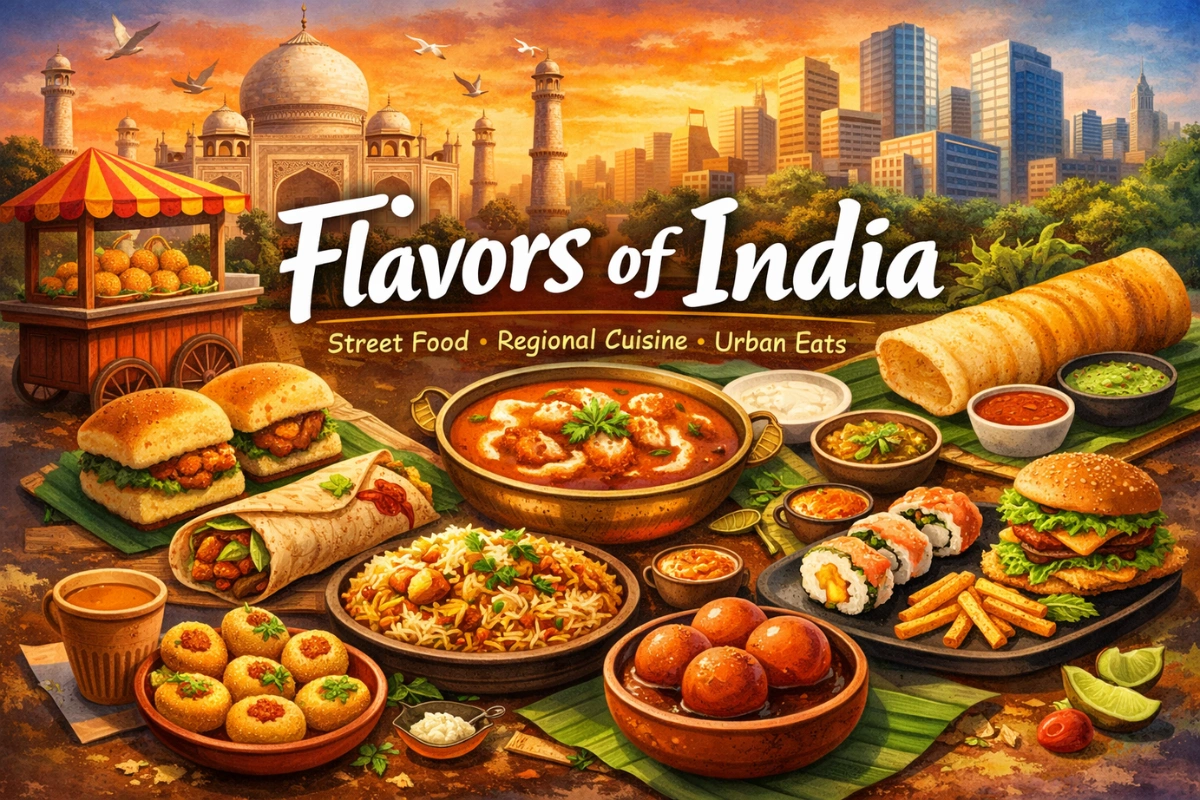
Food in India is more than just nourishment—it is culture, memory, identity, and emotion served on a plate. From crowded street corners to fine-dining restaurants, the flavors of India reflect the country’s diversity, history, and evolving urban lifestyle. Every region, city, and even neighborhood offers something unique, making Indian food one of the most diverse culinary landscapes in the world.
As Indian cities grow and lifestyles change, food culture is also transforming. Traditional recipes continue to thrive alongside modern dining trends, global influences, and digital food experiences. In this article, we explore the rich flavors of India, focusing on street food, regional cuisine, and how urban food culture is shaping the way people eat today.
The Soul of Indian Food Culture
Indian cuisine is deeply rooted in tradition. Food is influenced by:
-
Geography and climate
-
Local ingredients
-
Cultural and religious practices
-
Historical trade and migration
Spices, herbs, grains, and cooking techniques vary widely across regions, giving each area its own culinary identity. Despite modernization, food remains a powerful connection to home and heritage for millions of people.
Street Food: The Heart of Indian Flavors
Street food is where Indian food culture truly comes alive.
Why Street Food Is So Popular
-
Affordable and accessible
-
Freshly prepared
-
Bold and authentic flavors
-
Deeply tied to local identity
Every city has iconic street foods that locals swear by.
Famous Street Foods Across India
-
Delhi: Chaat, golgappa, aloo tikki, chole bhature
-
Mumbai: Vada pav, pav bhaji, bhel puri
-
Kolkata: Kathi rolls, puchka, jhal muri
-
Chennai: Idli, dosa, sundal
-
Hyderabad: Irani chai, samosa, kebabs
Street food vendors often follow recipes passed down through generations, making each stall a piece of culinary history.
Regional Cuisine: A Journey Across India
India’s regional cuisines are as diverse as its languages.
North Indian Flavors
-
Rich gravies and breads
-
Use of dairy like ghee, butter, and cream
-
Popular dishes include butter chicken, rajma, dal makhani
South Indian Flavors
-
Rice-based meals
-
Coconut, tamarind, and curry leaves
-
Idli, dosa, sambar, rasam are staples
East Indian Flavors
-
Mustard oil and fresh water fish
-
Light yet flavorful preparations
-
Famous for sweets like rasgulla and sandesh
West Indian Flavors
-
Mix of sweet, spicy, and tangy
-
Street snacks and vegetarian dishes dominate
-
Gujarati and Maharashtrian cuisines stand out
Each region’s cuisine reflects local farming practices and cultural traditions.
Urban Food Culture: Tradition Meets Modern Taste
Urbanization has changed how people experience food.
Rise of Cafés and Casual Dining
Indian cities are now filled with:
-
Cafés serving fusion food
-
Cloud kitchens and takeaway-only brands
-
Restaurants blending Indian and global cuisines
Traditional dishes are being reimagined with modern presentation and techniques.
Global Influence
Urban diners are exposed to:
-
Continental, Asian, and Middle Eastern cuisines
-
Fusion dishes combining Indian spices with global recipes
-
International food festivals and pop-up events
This has expanded taste preferences, especially among younger generations.
Food Delivery and Digital Dining
Technology has reshaped food habits.
Convenience at Your Doorstep
Food delivery apps have made it possible to:
-
Order regional dishes from anywhere
-
Discover new restaurants easily
-
Enjoy home-style meals without cooking
This convenience has boosted small food businesses and home chefs.
Impact on Eating Habits
While convenient, digital dining has also led to:
-
Increased outside food consumption
-
Reduced home cooking
-
Growing awareness of nutrition and healthy eating
Urban consumers are becoming more conscious of what they eat.
Vegetarian and Vegan Food Culture
India has one of the world’s largest vegetarian populations.
Traditional Vegetarian Roots
Many Indian cuisines are naturally vegetarian due to:
-
Cultural and religious beliefs
-
Seasonal vegetable-based cooking
Dishes like dal, sabzi, khichdi, and curd rice remain staples.
Modern Vegan Trends
Urban food culture is embracing:
-
Plant-based alternatives
-
Vegan cafés and menus
-
Health-focused food choices
This blend of tradition and trend keeps Indian food inclusive and evolving.
Food as a Social Experience
Food plays a major role in social life.
-
Family meals strengthen bonds
-
Festivals revolve around special dishes
-
Eating out is a popular social activity
In cities, food has become a way to relax, connect, and celebrate moments beyond routine life.
Health, Balance, and Changing Preferences
Modern urban lifestyles have sparked interest in:
-
Balanced meals
-
Organic ingredients
-
Traditional home-cooked food
People are rediscovering:
-
Millet-based diets
-
Seasonal eating
-
Regional home recipes
The focus is shifting from quantity to quality.
The Future of Flavors in Indian Cities
The future of Indian food culture looks promising.
Expected trends:
-
Revival of regional and forgotten recipes
-
Sustainable and locally sourced ingredients
-
Health-conscious menus
-
Technology-driven food innovation
Despite changes, the essence of Indian flavors will remain rooted in tradition and diversity.
Final Perspective
The flavors of India tell a story of history, culture, and everyday life. From spicy street snacks to comforting home meals and modern fusion dishes, Indian food continues to evolve without losing its soul.
In Indian cities, food is no longer just about hunger—it is about experience, connection, and identity. As urban lifestyles grow, the love for authentic flavors remains stronger than ever.
