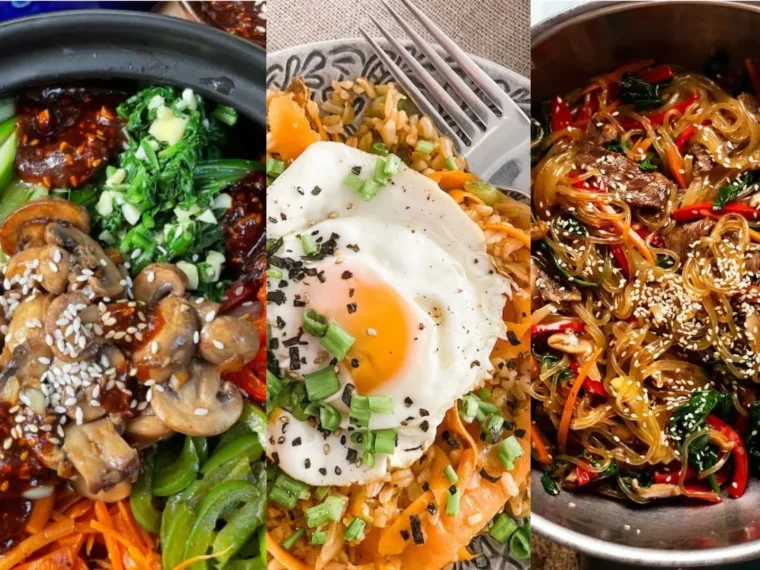
Korean food has become increasingly popular around the world, thanks to Korean dramas, films, music and the growing interest in Asian cuisine. From colourful rice bowls to comforting soups and crispy vegetable pancakes, Korean cooking offers a variety of dishes that can be enjoyed at home.
The good news is that you do not need professional cooking skills or a kitchen full of unfamiliar ingredients to get started. Many Korean-inspired meals can be prepared with everyday vegetables, rice, eggs, noodles and a few speciality sauces.
Korean home cooking is also flexible. You can adjust the spice level, use seasonal vegetables and choose ingredients that suit your budget.
In this beginner-friendly guide, you will discover eight dishes to try, essential ingredients to keep in your kitchen and practical tips for making your first Korean meal at home.
1. Bibimbap: A Colourful Korean Rice Bowl
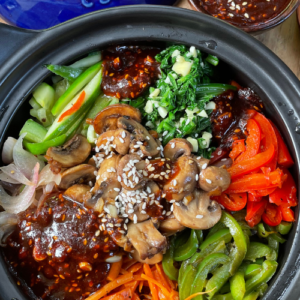
Bibimbap is a popular Korean rice dish that brings together rice, vegetables, sauce and optional protein in one bowl. Its appeal lies in the combination of colours, textures and flavours.
For a simple homemade version, you will need cooked rice, carrots, spinach, cucumber, mushrooms and an egg. You can also add tofu, chicken or another protein if you prefer.
How to prepare it:
- Cook the rice and set it aside.
- Slice the vegetables into thin strips.
- Lightly sauté vegetables such as carrots and mushrooms.
- Cook the spinach until tender and season it lightly.
- Place the rice in a bowl and arrange the vegetables on top.
- Add a fried egg and serve with a little gochujang-based sauce.
Mix everything together before eating.
Traditional versions vary, and this simplified recipe is designed for home cooks who want to explore the basic idea without following a complicated preparation process.
Beginner tip: Keep the vegetables in separate sections before mixing. This makes the dish look attractive and helps you control the flavours.
2. Korean Egg Rice: A Quick Comfort Meal

If you want something simple for breakfast or a quick lunch, Korean-style egg rice is a practical place to begin. It combines rice with eggs and seasonings to create a satisfying meal with minimal preparation.
You will need cooked rice, one or two eggs, spring onions, a little soy sauce and sesame oil. Sesame seeds are optional.
How to prepare it:
- Heat a small amount of oil in a pan.
- Scramble the eggs until cooked.
- Add the cooked rice and mix well.
- Season with soy sauce and a small amount of sesame oil.
- Finish with chopped spring onions and sesame seeds.
You can add peas, carrots, mushrooms or leftover vegetables to make the dish more substantial.
This is not a single fixed recipe, and Korean households prepare rice and egg combinations in different ways. The version above is an easy starting point for beginners.
Beginner tip: Use rice that has cooled slightly so that it is easier to stir without becoming too soft.
Also read: Thekua Recipe for Chhath Puja 2026
3. Gyeran-jjim: Soft Korean Steamed Eggs

Gyeran-jjim is a Korean egg dish known for its soft, delicate texture. It is often served as a side dish, but you can also enjoy it with rice for a light meal.
The basic ingredients are eggs, water or mild stock, salt and spring onions.
How to prepare it:
- Beat the eggs in a heat-safe bowl.
- Add water or stock and a little salt.
- Mix until the ingredients are combined.
- Steam gently until the eggs are set and soft.
- Garnish with chopped spring onions.
The key is gentle cooking. Excessive heat can make the eggs firm and rubbery instead of tender.
You can experiment with finely chopped vegetables, but avoid adding too many ingredients during your first attempt.
Beginner tip: Cook slowly and check the centre before serving. The eggs should be fully cooked while retaining a soft texture.
4. Japchae: Korean Glass Noodles With Vegetables
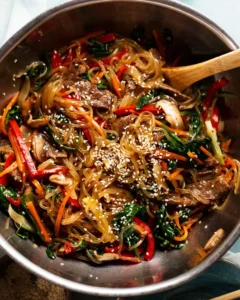
Japchae is a well-known Korean noodle dish commonly made with glass noodles, vegetables and seasonings. Its slightly chewy texture makes it different from ordinary wheat noodles.
For a simplified home version, use sweet potato glass noodles, carrots, spinach, mushrooms, onion, soy sauce, sesame oil and sesame seeds.
How to prepare it:
- Cook the noodles according to the packet instructions.
- Drain them thoroughly.
- Slice the vegetables into thin pieces.
- Cook the vegetables separately or together in a pan until tender.
- Add the noodles, soy sauce and a little sesame oil.
- Toss everything together and finish with sesame seeds.
You can include tofu, beef or another protein if desired.
Japchae takes a little more preparation than egg rice because the ingredients need to be sliced and cooked carefully. However, the individual steps are simple enough for a beginner.
Beginner tip: Avoid overcooking the noodles. Follow the package instructions because cooking times vary by brand.
5. Kimchi Jjigae: A Warm and Spicy Stew
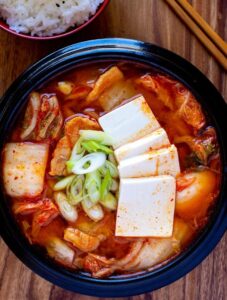
Kimchi jjigae is a Korean stew made with kimchi and other ingredients. It is a comforting option for anyone who enjoys savoury, spicy food.
A beginner-friendly version can include kimchi, onion, garlic, tofu, water or stock and a little gochugaru, the Korean chilli powder. Some versions also use pork, tuna or other protein.
How to prepare it:
- Slice the onion and prepare the garlic.
- Add kimchi to a pot and cook briefly with the onion and garlic.
- Pour in water or stock.
- Add tofu and your chosen seasonings.
- Simmer until the flavours combine and the vegetables become tender.
- Taste and adjust the seasoning before serving.
Kimchi already contains salt and acidity, so taste the stew before adding extra salt.
This dish is particularly useful when the weather is cold or when you want a warm meal to serve with rice.
Beginner tip: Check the ingredients in your kimchi if you follow a vegetarian or vegan diet, as some varieties contain seafood-based seasonings.
6. Korean Vegetable Pancakes
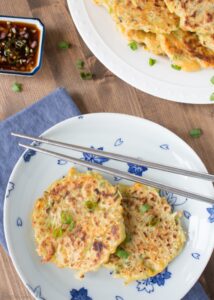
Korean vegetable pancakes are a convenient way to use vegetables already available in your refrigerator. They are often associated with dishes such as yachaejeon, which features vegetables in a savoury batter.
You can use carrots, spring onions, cabbage, zucchini or other vegetables that cook quickly.
How to prepare them:
- Slice the vegetables into thin strips.
- Combine flour, water and a pinch of salt to make a batter.
- Mix the vegetables into the batter.
- Heat a little oil in a frying pan.
- Spread the mixture into a thin pancake.
- Cook both sides until golden and crisp.
Serve with a simple dipping sauce made from soy sauce, a little vinegar and optional sesame seeds.
Beginner tip: Do not make the pancake too thick. A thinner layer cooks more evenly and develops a crispier surface.
7. Korean-Inspired Cucumber Salad
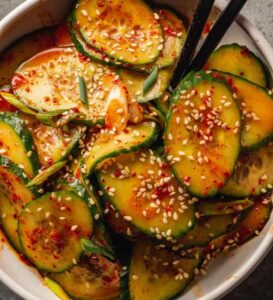
A fresh cucumber salad can balance richer rice dishes, noodles and stews. It is also one of the quickest Korean-inspired sides to prepare.
You will need cucumber, salt, garlic, sesame oil, sesame seeds and optional Korean chilli flakes.
How to prepare it:
- Slice the cucumber thinly.
- Sprinkle with a little salt and leave briefly.
- Drain excess liquid if needed.
- Add garlic, sesame oil and sesame seeds.
- Add chilli flakes if you enjoy spicy food.
- Toss and serve.
For the freshest texture, prepare the salad shortly before eating.
The seasoning can be adjusted according to taste. If you prefer a milder dish, leave out the chilli.
Beginner tip: Start with a small amount of sesame oil because its flavour can quickly dominate the salad.
8. Korean-Style Vegetable Fried Rice
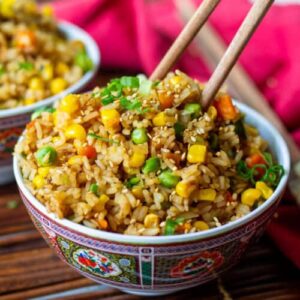
Vegetable fried rice is an easy option when you have leftover rice and want to prepare a quick dinner. While this is a flexible home-style adaptation rather than one fixed traditional recipe, it works well with Korean seasonings.
You will need cooked rice, carrots, peas, spring onions, garlic, soy sauce and optional gochujang.
How to prepare it:
- Heat oil in a pan.
- Add garlic and vegetables.
- Cook until the vegetables begin to soften.
- Add the rice and stir well.
- Season with soy sauce and a small amount of gochujang if desired.
- Add spring onions and serve hot.
You can include scrambled egg or tofu for additional protein.
Beginner tip: Add chilli paste gradually. Korean chilli products vary in heat and sweetness, so start with a small quantity.
Essential Ingredients for Korean Home Cooking
You do not need to purchase every Korean ingredient at once. Start with a few versatile products and expand your collection as you try more dishes.
- Gochujang: A fermented Korean chilli paste used in sauces and some stews.
- Gochugaru: Korean chilli flakes or powder.
- Soy sauce: Useful for seasoning rice, vegetables and noodles.
- Sesame oil: Adds a distinctive nutty flavour.
- Sesame seeds: A simple finishing ingredient.
- Kimchi: Fermented vegetables, commonly made with cabbage or radish.
- Rice: A staple for bowls, side dishes and complete meals.
- Glass noodles: Often made from sweet potato starch and used in japchae.
Availability varies by location. Korean grocery stores, Asian supermarkets and online food retailers may carry these ingredients.
Check product labels carefully, especially if you have food allergies or follow a vegetarian, vegan or gluten-free diet.
Tips for Beginners
Start with simple recipes. Egg rice, steamed eggs and vegetable pancakes are good choices before attempting more elaborate dishes.
Control the spice level. Gochujang and gochugaru are useful ingredients, but you can adjust their quantities to suit your preference.
Prepare ingredients in advance. Washing, slicing and measuring everything before cooking makes the process easier.
Use suitable substitutes carefully. Some ingredients can be replaced, but the flavour may change. Treat substitutions as adaptations rather than exact traditional versions.
Learn basic food safety. Refrigerate cooked rice promptly, store leftovers properly and reheat food thoroughly before eating.
Explore one ingredient at a time. Trying a new sauce or condiment with a familiar meal can help you understand its flavour without wasting ingredients.
Korean home cooking does not have to be complicated. With rice, eggs, vegetables, noodles and a few essential seasonings, beginners can prepare a range of enjoyable meals at home.
Start with simple dishes such as Korean egg rice, gyeran-jjim and vegetable pancakes. Once you become comfortable with the ingredients, explore bibimbap, japchae and kimchi jjigae.
The best approach is to experiment gradually, adjust the spice level to your taste and enjoy learning about a different food culture. You do not need a perfect kitchen or advanced cooking skills to begin. A few basic ingredients and a willingness to try something new are enough to get started.