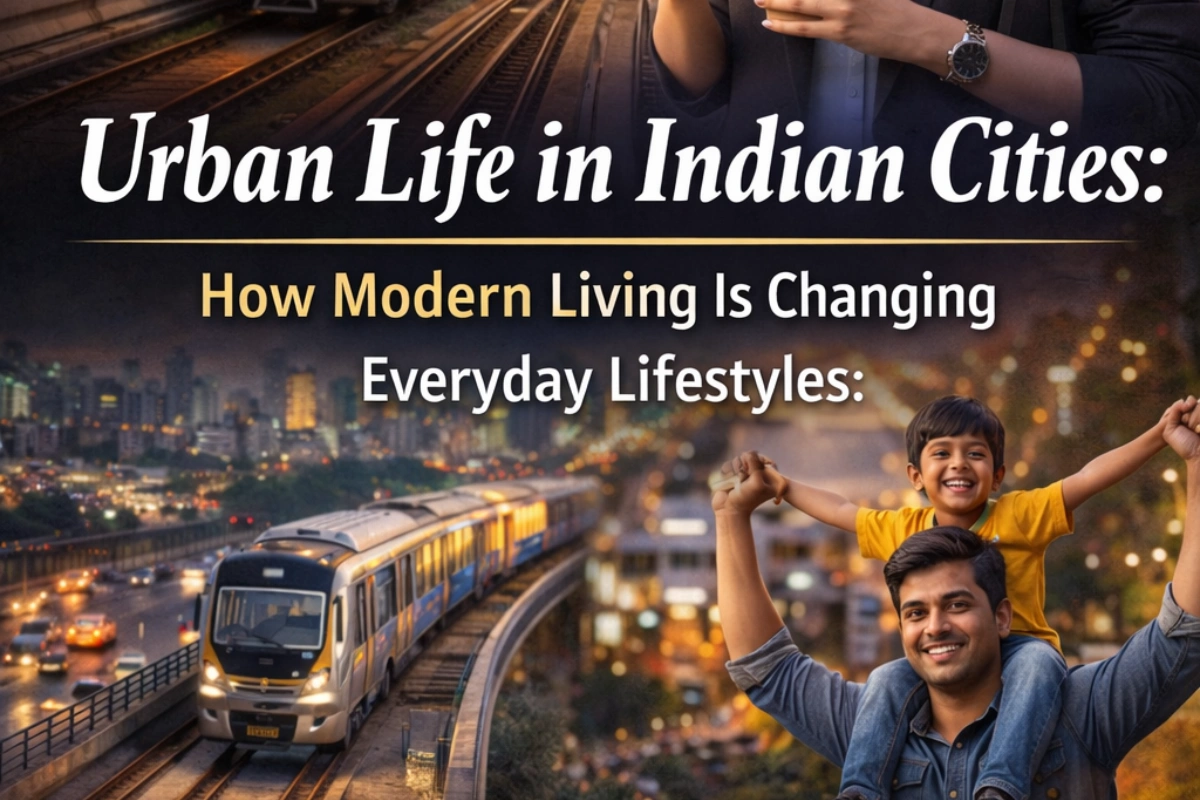
Urban Life in Indian Cities: How Modern Living Is Changing Everyday Lifestyles
India’s cities are evolving faster than ever. From rising skylines and metro networks to changing work cultures and lifestyle habits, urban life in Indian cities today looks very different from what it was just a decade ago. Millions of people move to cities every year in search of better opportunities, education, and a modern way of living.
But urban life is not just about tall buildings and busy roads. It is a combination of work, housing, transport, social connections, culture, convenience, and challenges that shape how people live every day. In this article, we explore what urban life in Indian cities really looks like, how it is changing, and what it means for residents.
The Rise of Urban India
India is witnessing rapid urbanization. Cities like Delhi, Mumbai, Bengaluru, Hyderabad, and Pune are expanding not only in size but also in influence. Smaller cities such as Indore, Kochi, Jaipur, and Coimbatore are also developing into major urban hubs.
Urban growth is driven by:
-
Job opportunities in IT, services, startups, and manufacturing
-
Better access to education and healthcare
-
Improved infrastructure and connectivity
-
Exposure to global culture and lifestyles
As a result, urban life has become more diverse, fast-paced, and opportunity-driven.
Work Culture and Professional Life
One of the most defining aspects of urban life is work culture.
Changing Office Environments
Traditional 9-to-5 jobs are slowly giving way to:
-
Flexible working hours
-
Remote and hybrid work models
-
Co-working spaces and startup offices
Cities like Bengaluru and Gurugram have become symbols of India’s modern professional ecosystem.
Hustle and Competition
While cities offer better jobs, they also come with:
-
High competition
-
Long working hours
-
Work-life balance challenges
Urban professionals often juggle career growth with personal well-being, making time management an essential skill.
Housing and Living Spaces
Housing is a major part of urban living.
Apartments Over Independent Homes
Due to limited space and high land prices:
-
Apartments and gated societies dominate city housing
-
Studio apartments and co-living spaces are growing in popularity
-
Rent-sharing is common among young professionals
Cost of Living
Urban housing comes at a price:
-
High rents in metro cities
-
Rising maintenance costs
-
Smaller living spaces compared to rural homes
Despite this, people prefer cities for convenience and access to facilities.
Transportation and Daily Commute
Urban transportation has improved significantly, but challenges remain.
Public Transport Growth
Major cities now offer:
-
Metro rail networks
-
App-based cab services
-
Improved bus connectivity
These systems have reduced dependency on private vehicles for many residents.
Traffic and Time Pressure
Traffic congestion is still a reality of urban life. Long commutes can affect:
-
Physical health
-
Mental well-being
-
Family and personal time
As cities grow, smart mobility solutions are becoming more important.
Lifestyle, Convenience, and Technology
Urban life is closely connected with convenience.
On-Demand Living
City residents rely heavily on:
-
Food delivery apps
-
Online grocery and medicine services
-
Digital payments and banking
This convenience saves time but also increases screen dependency.
Smart Living
Technology has become part of daily life:
-
Smart homes and security systems
-
Fitness tracking apps
-
Online learning and skill development
Urban living encourages people to adapt quickly to technological changes.
Social Life and Community Living
Contrary to the belief that cities are lonely, urban life offers diverse social opportunities.
New Forms of Community
Urban communities now form through:
-
Apartment societies
-
Fitness groups and hobby clubs
-
Professional networking events
People connect based on shared interests rather than long-standing relationships.
Cultural Diversity
Indian cities are culturally rich:
-
People from different states and backgrounds live together
-
Food, language, and festivals blend
-
Exposure to new perspectives is common
This diversity shapes a more open and inclusive mindset.
Health, Wellness, and Mental Balance
Urban life brings both health opportunities and challenges.
Access to Healthcare
Cities provide:
-
Advanced hospitals and clinics
-
Specialized doctors
-
Emergency services
This improves overall healthcare access compared to rural areas.
Stress and Mental Health
Fast-paced urban living can lead to:
-
Stress and burnout
-
Anxiety and sleep issues
-
Reduced physical activity
Many urban residents now focus on:
-
Fitness routines
-
Yoga and meditation
-
Mental health awareness
Balancing productivity and peace is becoming a priority.
Environmental Impact of Urban Living
Urban growth affects the environment significantly.
Challenges
-
Air and noise pollution
-
Reduced green spaces
-
Waste management issues
Positive Changes
Cities are also adapting:
-
Urban parks and green zones
-
Electric vehicles
-
Sustainable housing initiatives
Modern urban life is slowly moving toward sustainability, though there is still a long way to go.
The Future of Urban Life in India
Urban life in Indian cities will continue to evolve.
Key future trends include:
-
Smart cities and digital governance
-
More remote and flexible work options
-
Better public transport and eco-friendly infrastructure
-
Increased focus on mental health and quality of life
The goal is not just growth, but better living.
Final Perspective
Urban life in Indian cities is a blend of ambition, convenience, diversity, and challenges. While cities demand adaptability and resilience, they also offer growth, exposure, and opportunities that shape modern lifestyles.
For many, urban living is not just about earning a living—it is about building a life that balances progress with personal well-being.