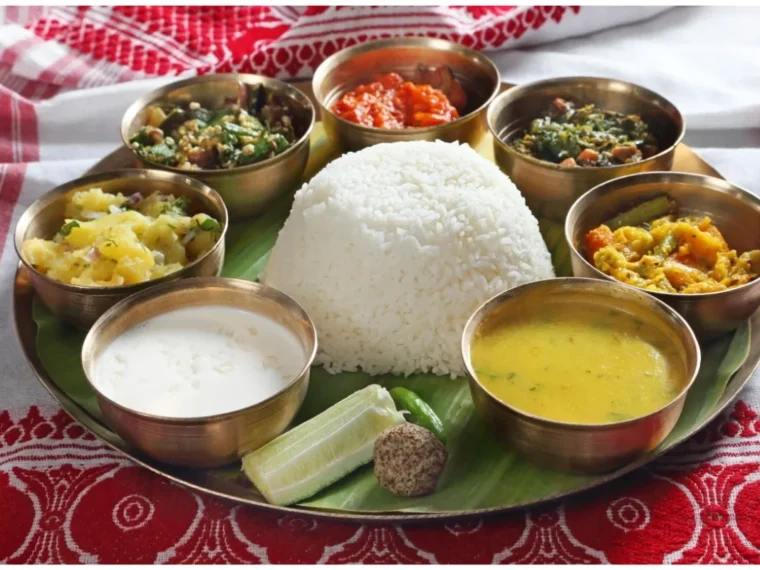
Traditional Assamese Cuisine: Food can tell you a great deal about a region: its climate, agricultural traditions, celebrations and everyday life. In Assam, cuisine reflects the fertile Brahmaputra Valley, abundant rainfall, rice cultivation, freshwater fish and a long relationship with local plants and seasonal ingredients.
Traditional Assamese food is often described as simple, but simplicity does not mean a lack of character. Many dishes rely on fresh ingredients, balanced seasoning and cooking methods that allow the natural flavours of vegetables, fish, meat and herbs to stand out. Fermented ingredients, souring agents and aromatic leaves also play important roles in different regional preparations.
Assam is culturally diverse, and there is no single menu that represents every household. Food traditions vary across communities and districts. Still, certain dishes have become widely associated with Assamese cooking and offer a useful starting point for anyone interested in discovering the region’s culinary identity.
Rice: The Centre of the Assamese Meal
Rice is central to everyday eating in Assam. It is commonly served with vegetables, fish, meat, lentils and a variety of side dishes. Different rice varieties are used for ordinary meals, snacks and festive preparations.
One especially interesting group is aromatic joha rice, valued for its fragrance. Depending on the variety and preparation, it can be served as part of a regular meal or used in special dishes. Rice is not simply a side ingredient; it shapes the rhythm of meals and appears in many forms throughout the day.
Traditional rice-based foods also include snacks and sweets prepared with powdered rice, steamed rice or sticky varieties. These dishes demonstrate how one staple ingredient can support a wide range of textures and flavours.
Khar: A Distinctive Assamese Preparation
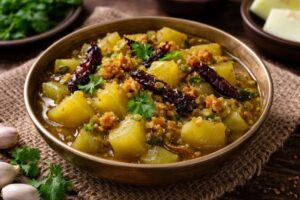
Khar is one of the dishes most closely associated with Assamese cuisine. It is known for its distinctive alkaline character and is traditionally prepared using ingredients that may include raw papaya, pulses or other vegetables.
The term can refer to both an ingredient and a category of preparations, so recipes differ from household to household. A traditional method may involve an alkaline extract prepared from the filtered water of sun-dried banana-peel ash, although modern versions and family practices vary.
Khar is often served early in a traditional meal. Its unusual taste can surprise first-time visitors, but it makes sense when understood as part of a food culture that values balance and distinctive local ingredients. If you are trying it for the first time, taste a small portion alongside rice rather than expecting it to resemble a familiar curry.
Also read: Brown Butter Maple Pecan Cookies: The Fall Bake Beyond Pumpkin Spice
Masor Tenga: A Refreshing Fish Curry
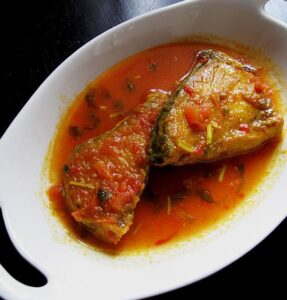
Masor tenga is a tangy fish curry that provides a contrast to richer or more heavily spiced dishes. Fish is an important part of the food traditions of Assam, where rivers, wetlands and ponds have long supported fishing and freshwater aquaculture.
The sourness in masor tenga may come from ingredients such as tomatoes, lemon, elephant apple or other locally used souring agents. The exact combination depends on the season, household recipe and availability of ingredients.
The dish is generally appreciated for its light, refreshing character. Served with steamed rice, it can make a satisfying everyday meal. Visitors who enjoy fish but prefer flavours that are not dominated by heavy sauces may find it an accessible introduction to Assamese cooking.
Aloo Pitika: Comfort Food with Few Ingredients
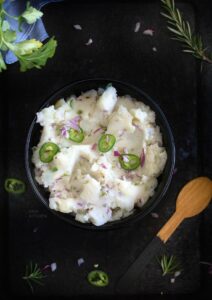
Aloo pitika shows how a small number of ingredients can create a memorable dish. It is a mashed potato preparation that may include mustard oil, onion, green chilli, salt and fresh herbs, depending on the recipe.
The potatoes provide a soft base, while mustard oil and chillies add a sharp, earthy character. Some versions include roasted or mashed ingredients that bring extra aroma and texture.
Aloo pitika is commonly served with rice and other components of a meal. It is also an example of how everyday Assamese cooking can be satisfying without elaborate preparation. Because recipes vary, it is worth trying versions made in different homes or restaurants rather than assuming every plate will taste the same.
Patot Diya Maas: Fish Wrapped in Leaves
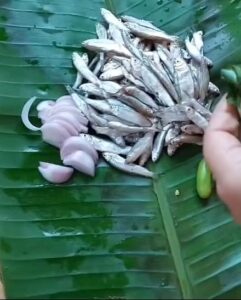
Patot diya maas refers to fish prepared using leaves as part of the cooking process. The fish is seasoned with suitable ingredients, wrapped or enclosed in leaves, and cooked according to the recipe.
The leaves help hold moisture and can contribute a subtle aroma. Depending on the method, the result may be steamed, roasted or otherwise cooked while wrapped. The choice of fish and seasoning varies, making this more a family of preparations than one fixed recipe.
The technique reflects a practical relationship with local ingredients and traditional cooking methods. It can also make a meal feel different from fish curries, where the main flavours come from a sauce.
Laai Xaak with Pork
Laai xaak, or mustard greens, appears in a number of Assamese preparations. In some community food traditions, it is cooked with pork, producing a dish in which the greens bring an earthy, slightly sharp flavour that contrasts with the meat.
This combination should not be treated as representative of every Assamese household. Food preferences and customary dishes vary considerably across communities. Nevertheless, it illustrates the way seasonal greens and locally available meat can be combined to create hearty meals.
The appeal lies in the contrast of textures and flavours rather than a complicated spice mixture. If you are exploring Assamese cuisine, ask about the ingredients and preparation method because the same dish name can cover meaningful regional variations.
Haah Joha Kumura: Duck with Ash Gourd
Duck dishes are part of some Assamese food traditions, and haah joha kumura is one preparation associated with duck and ash gourd. The gourd provides a mild, soft texture that complements the richer flavour of the meat.
Recipes differ, including in the spices and herbs used. Some versions are prepared for family meals or special occasions, while others reflect local preferences and ingredient availability.
For visitors, this dish offers a glimpse of the variety within Assamese cooking. It is not necessarily available in every restaurant, so it may require asking about regional menus rather than relying on a standard tourist restaurant list.
Jolpaan: A Traditional Light Meal
Jolpaan is a broad term associated with traditional Assamese breakfast foods and light meals. Depending on the occasion and locality, it may include varieties of rice, flattened rice, puffed rice, curd, milk, jaggery and other accompaniments.
Unlike a cooked breakfast built around one main dish, jolpaan can combine several simple ingredients in a way that feels both practical and satisfying. The selection may change during festivals or family gatherings.
For travellers, jolpaan is an appealing way to explore the role of rice beyond lunch and dinner. It also shows how local eating habits can be shaped by ingredients that store well and are easy to prepare.
Pitha and Tilor Laru: Sweets for Celebrations
Assamese pitha includes a range of rice-based snacks and festive preparations. Some are steamed, some roasted, and others cooked on a pan or prepared with fillings. Coconut, sesame and jaggery may feature, depending on the variety.
Many pitha preparations are associated with Bihu celebrations, especially the harvest-related festivities that are central to Assamese cultural life. Making pitha can be as important as eating it, with recipes and techniques passed between generations.
Tilor laru is a sesame-based sweet often prepared with jaggery or another sweetener. Its compact shape makes it easy to serve at gatherings and festivals. The toasted flavour of sesame gives it a character distinct from milk-based sweets.
These foods remind us that Assamese cuisine is not only about savoury meals. It also includes seasonal rituals, hospitality and shared preparation.
How to Explore Assamese Food Respectfully
Start with a balanced meal of rice, vegetables, dal and a regional fish preparation if you eat fish. Try khar or masor tenga in small portions, and ask how a restaurant prepares its version. For breakfast or a snack, look for jolpaan and local pitha when available.
Remember that restaurant menus may simplify regional traditions for visitors. A dish served in Guwahati may differ from one prepared in a smaller town or village. Neither version automatically represents all of Assam.
If you have dietary restrictions, ask about ingredients rather than relying only on a dish’s name. Traditional recipes can differ from place to place, and the same preparation may contain ingredients you do not expect.
Traditional Assamese cuisine is shaped by rice, fish, seasonal vegetables, distinctive souring agents and a wide variety of community traditions. Dishes such as khar, masor tenga and aloo pitika reveal the appeal of balanced flavours, while jolpaan, pitha and tilor laru show how food connects everyday life with celebration.
The best introduction is not to search for one definitive Assamese menu, but to explore the region’s variety with curiosity. Each dish offers another perspective on the ingredients, habits and traditions that make Assam’s food culture distinctive.