Smartphones have become one of the most important parts of modern life. From online banking and social media to office work, gaming, photography, and video streaming, people rely on their phones almost every hour of the day. But like every electronic device, smartphones also have a limited lifespan.
Many users continue using old devices even after serious problems begin appearing. At first, the issues may seem small — slower performance, weaker battery life, or occasional app crashes. However, over time, these warning signs can turn into major frustrations that affect productivity, security, and daily convenience.
Technology experts say that recognizing the early signs of smartphone aging can help users avoid unexpected breakdowns, data loss, and cybersecurity risks. A device that no longer performs properly can create problems not only for entertainment but also for work, education, and financial safety.
If your phone has recently started behaving differently, it may be trying to tell you something important. Here are five major warning signs that indicate your smartphone may need an upgrade immediately.
Battery Draining Too Fast? Your Phone May Be Reaching Its End
One of the most obvious signs of an aging smartphone is poor battery performance. A healthy smartphone battery should comfortably last through most of the day under normal usage. But older phones often begin losing power much faster than they used to.
You may notice your battery percentage dropping suddenly, even when you are not using heavy apps. In some cases, phones begin shutting down unexpectedly despite showing remaining battery life. This happens because lithium-ion batteries naturally degrade after hundreds of charging cycles.
As battery health declines, users often become dependent on power banks or constantly search for charging outlets throughout the day. Overheating during charging is another common sign that the battery is struggling to function properly.
Common Battery Warning Signs
- Battery drains within a few hours
- Phone overheats while charging
- Charging speed becomes extremely slow
- Device shuts down randomly
- Battery percentage fluctuates abnormally
Although replacing the battery may temporarily solve the issue, it may not be worth investing money into an older device that already suffers from multiple performance problems.
Modern smartphones now offer significantly better battery optimization, faster charging technologies, and improved energy efficiency. If battery anxiety has become part of your daily routine, it may be time to move on to a newer model.
Frequent App Crashes and Lag Can Signal Outdated Hardware
Smartphone apps are becoming more advanced every year. Modern applications now require faster processors, better graphics performance, and more memory to run smoothly. Older smartphones often struggle to keep up with these increasing demands.
If your apps freeze frequently, restart unexpectedly, or take too long to load, your device’s hardware may no longer be capable of handling modern software efficiently.
Users commonly notice lag while switching between apps, typing messages, using the camera, or browsing social media platforms. Gaming performance also drops significantly on outdated devices, leading to frame drops, overheating, and constant interruptions.
Heavy apps such as video editing tools, AI-powered features, augmented reality applications, and advanced mobile games require hardware that many older phones simply do not have.
Signs Your Phone Is Falling Behind
- Apps crash regularly
- Games lag or freeze
- Multitasking becomes frustrating
- Storage fills up quickly
- Videos buffer constantly
When a smartphone struggles with basic everyday tasks, it can turn even simple activities into stressful experiences. Upgrading to a newer device often provides a dramatic improvement in speed, responsiveness, and overall usability.
No Software Updates? Your Data Could Be at Risk
One of the most serious reasons to replace an old smartphone is the lack of software and security updates. Many users ignore update support, but cybersecurity experts consider it one of the most important aspects of smartphone safety.
Technology companies regularly release updates to fix bugs, patch security vulnerabilities, and improve device stability. Once a smartphone stops receiving official support, it becomes increasingly vulnerable to hackers, malware, and cyberattacks.
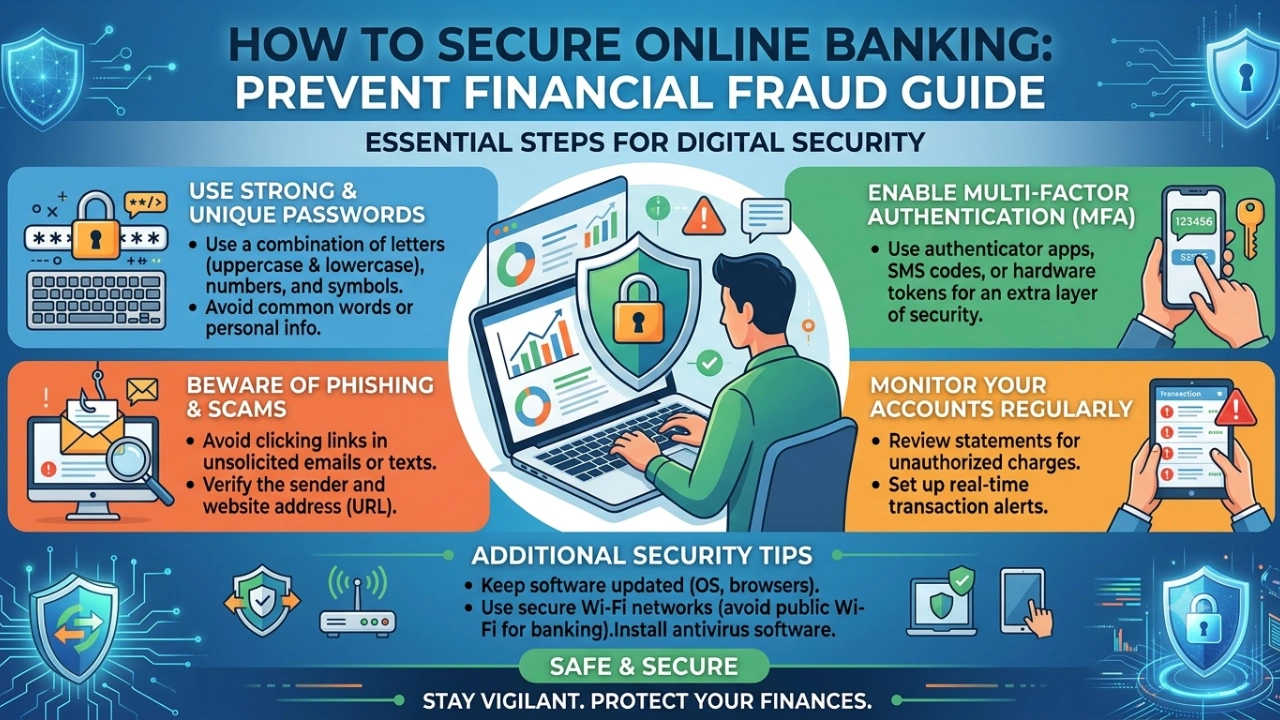
This is especially dangerous for people who use smartphones for banking, digital payments, email access, online shopping, or storing personal information.
Without security updates, outdated phones may become easy targets for cybercriminals looking to exploit old vulnerabilities.
Why Software Updates Matter
- Protect against hacking attempts
- Improve privacy and security
- Fix system glitches
- Support newer apps
- Improve performance and stability
Some older smartphones also lose compatibility with newer applications over time. Popular apps may stop working properly or refuse to install entirely because the operating system is outdated.
If your device no longer receives security patches, upgrading is not just about convenience — it becomes a matter of digital safety.
Camera and Display Problems Often Indicate Hardware Damage
For many users, the camera and display are the two most important smartphone features. Whether it is social media content, photography, video calls, or entertainment, these components play a major role in everyday usage.
As smartphones age, users may begin noticing issues such as blurry photos, focus problems, flickering screens, dead pixels, or touchscreen delays. Physical damage, overheating, accidental drops, and long-term wear can all contribute to hardware deterioration.
A damaged display not only affects viewing quality but can also reduce productivity. Touchscreen response delays can make typing, gaming, and navigation extremely frustrating.
Similarly, poor camera quality can become a major issue for users who depend on smartphones for content creation or professional communication.
Common Hardware Problems
- Camera struggles to focus
- Photos appear blurry or grainy
- Screen develops colored lines
- Touchscreen becomes unresponsive
- Brightness levels decrease
Repairing display panels or camera modules on older devices can sometimes cost nearly as much as buying a new smartphone altogether. In such cases, replacing the device becomes the smarter financial decision.
New smartphones now offer major improvements in camera quality, display brightness, refresh rates, and durability compared to older generations.
Overheating and Slow Performance Should Never Be Ignored
Another major sign that your smartphone needs replacement is constant overheating and sluggish performance. While occasional heating is normal during gaming or charging, excessive heat during regular use often indicates deeper hardware stress.
Older processors struggle to handle modern applications efficiently. As a result, phones may become painfully slow while opening apps, browsing the internet, or even sending messages.
Overheating can also damage internal components over time, reducing battery lifespan and increasing the chances of sudden hardware failure.
Users often experience delayed touch responses, random system crashes, or complete freezes during basic tasks. These issues can seriously affect productivity, especially for people who rely heavily on smartphones for work, studies, or business.
Performance Problems You Should Not Ignore
- Phone becomes extremely slow
- Apps freeze repeatedly
- Device overheats often
- System crashes unexpectedly
- Keyboard response becomes delayed
If your smartphone constantly feels frustrating to use, repairing it repeatedly may no longer be worth the cost. A newer device can provide smoother performance, better efficiency, and a far more reliable experience.
Upgrading at the Right Time Can Improve Your Digital Life
Technology evolves rapidly, and smartphones today are far more advanced than devices released just a few years ago. Better processors, improved battery life, stronger security, AI-powered features, and enhanced cameras have transformed the smartphone experience dramatically.
Many people delay replacing their phones because they hope repairs will solve the problem temporarily. However, continuing to use a device with serious performance or security issues can eventually create bigger risks and expenses.
Recognizing the warning signs early allows users to upgrade before the phone becomes completely unusable.
Whether it is rapid battery drain, outdated software, constant lag, hardware damage, or overheating, these problems usually indicate that a smartphone has reached the end of its practical lifespan.
Investing in a newer device not only improves speed and reliability but also ensures better security, smoother app performance, and compatibility with future technologies. In today’s digital world, having a dependable smartphone is no longer a luxury — it has become a necessity.