Schengen visa for Indians: the folder on the dining table usually has a passport, old bank statements and a half-filled form someone printed at midnight. A short-stay Schengen visa is still the key for tourism trips to much of Europe, including popular stops such as France, Italy, Germany, Spain, the Netherlands, Austria, Czechia and Switzerland. This guide walks through the process in plain steps and points you to official pages for fees that change.
1. What the Visa Actually Covers
A Schengen short-stay visa (type C) allows travel in the Schengen area for up to 90 days in any 180-day period. It is not a work or study residence permit. Border officers can still ask about your plans even when the sticker is in your passport, so keep hotel proofs and return flight details handy.
Apply to the country that is your main destination, meaning where you will spend the most nights. If nights are equal, apply to the country of first entry. That rule comes from the EU’s own guidance and saves a lot of wrong-centre appointments.
The Schengen area includes EU members and associated countries such as Switzerland, Norway, Iceland and Liechtenstein. Your sticker is usually valid across that zone for short stays, subject to the dates printed on it.
2. When to Apply
You can lodge a short-stay application up to six months before travel, and you should apply at least 15 days before your planned departure. In busy Indian seasons, slots fill earlier, so many families start eight to ten weeks ahead. Seafarers and a few special cases follow different windows; tourism applicants should stick to the standard calendar.
School holidays in India and Christmas markets season in Europe both create appointment crunches. If your dates are fixed around those peaks, book the centre slot as soon as your rough itinerary exists. Keep buffer days after the expected passport return before you fly.
3. Documents You Should Expect
Exact checklists differ by embassy and purpose, but the common core looks like this:
- Passport valid at least three months beyond your planned Schengen exit, with blank pages
- Completed application form and ICAO-style photo
- Travel medical insurance covering at least EUR 30,000 for emergency care and repatriation
- Flight reservation and proof of stay
- Proof of funds and ties to India, such as bank statements, employment letters or business papers
- Cover letter explaining the trip in simple language
Always download the tourism checklist from the embassy or VFS page for the country you chose. Do not rely on a friend’s old list from two years ago. Some missions ask for leave letters, property papers or older passports with previous visas. If a document is not ready, reschedule rather than submit a thin file.
Keep names identical across tickets, insurance and the form. Small spelling mismatches create avoidable delays. Translate non-English documents if the checklist asks for that.
4. Schengen visa for Indians: Fees and Where You Pay
The European Commission lists the general short-stay visa fee at EUR 90 for adults and EUR 45 for children aged six to under twelve. Children under six are typically exempt from the visa fee. If you apply through an external provider such as VFS Global, a separate service fee applies on top. Amounts in rupees move with the exchange rate, so treat any social media “exact ₹ figure” as outdated until you see the centre’s current tariff.
Pay only through the official channel shown when you book the appointment. For the EU’s own overview of how to apply, use the European Commission Schengen visa page.
Fee waivers exist for some categories, such as certain students on study trips or specific family members of EU citizens. Those rules are narrow. Assume you will pay unless the official checklist clearly says otherwise. Keep the payment receipt with your file copy.
5. Biometrics and the VFS Appointment
Most adult applicants give fingerprints and a photo at the visa application centre. If you provided Schengen biometrics within the last 59 months, some centres allow a representative to submit documents, but rules vary by country and you should confirm before you skip the visit. Children under twelve are generally exempt from full fingerprinting.
Carry originals and photocopies as the checklist asks. Reach early, keep phones on silent, and answer questions about your itinerary calmly. After submission you receive a reference to track the file. Courier return of the passport is common in India; follow the centre’s instructions rather than calling random agents.
Centres operate in multiple Indian cities depending on the destination country. Pick the jurisdiction that matches your residence proof. Turning up at the wrong city wastes a slot. Parents usually need to attend with minors and carry birth certificates as asked.
6. Money Transfers and Online Booking Safety
You will pay visa fees, buy insurance and lock hotel holds online. Use official sites and your bank’s card controls. Beware of WhatsApp “agents” who ask for advance UPI payments to “confirm slots”. For a clear reminder of common traps, read our guide to UPI and online payment scams before you send money to anyone outside the official flow.
Refundable hotel bookings are kinder while the decision is pending. Some applicants use reservation services that hold rooms without full charge; if you do, understand the cancellation terms in writing. Never share OTP codes with anyone claiming to be from VFS or an embassy.
7. After You Get the Passport Back
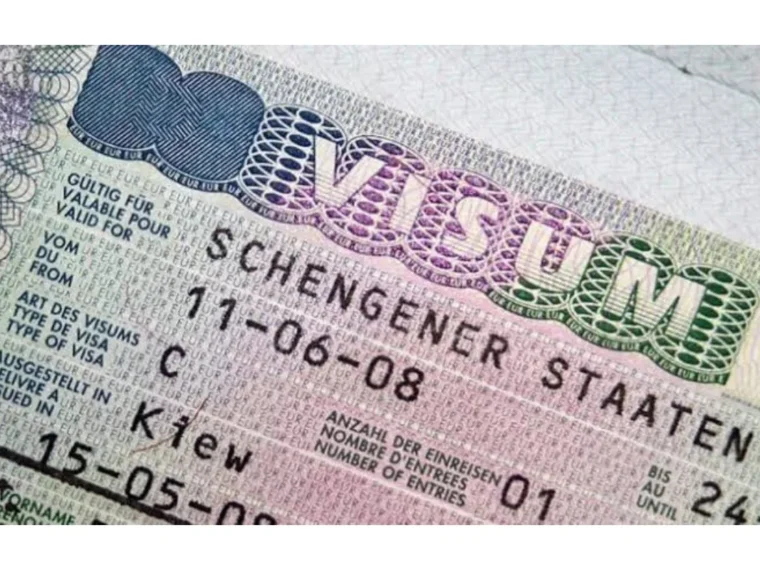
Check the visa sticker at once: your name, passport number, validity dates and number of entries. If something looks wrong, contact the centre or consulate immediately. A visa does not guarantee entry; carry the same story and documents you submitted.
Track your 90-in-180 days carefully if you plan two Europe trips close together. Overstaying hurts future applications. Photograph the sticker and keep a cloud copy in case the passport is ever misplaced while you travel. If the visa is refused, read the reason code calmly and fix the gap before reapplying.
If you are travelling as a family, prepare a shared day-by-day plan and identical hotel bookings for every passport. Inconsistent dates between applicants in the same group are a common reason files look weak, even when each person has enough funds on paper.
8. A Practical Closing Checklist
Choose the right consulate, book early, follow that country’s tourism checklist, buy compliant insurance, and pay only official fees. That is the real backbone of a Schengen visa for Indians, not expensive “guarantee” packages.
Start with the Commission page above, then open the VFS or embassy site for your main country, and build the file line by line. Done patiently, a Schengen visa for Indians is paperwork, not mystery, and the first espresso in Europe tastes better when the folder is finally empty.