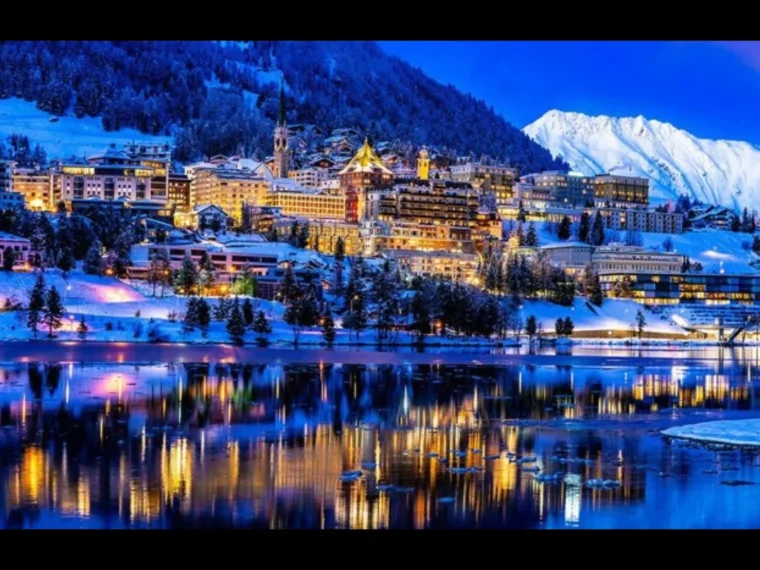
Switzerland in winter: the train window fills with white roofs and dark pines, and someone in your coach is already unwrapping chocolate at nine in the morning. For Indian first-timers, the Alps look simple on Instagram and complicated on a spreadsheet. This guide keeps the plan honest: where to base yourself, how the visa works, and which mountain days are worth the ticket.
1. Visa and Best Time to Go
Indian passport holders need a Schengen short-stay visa for tourism. Switzerland is part of Schengen, so the same 90-days-in-180 rule applies. Apply through the Swiss channel that covers your city of residence, usually via the designated visa centre, and follow that checklist rather than a generic blog list.
December to March is classic winter. Late January and February often bring more reliable snow in the high resorts, while mid-December is festive but busy. Shoulder days on either side of Christmas and New Year can be kinder on hotel rates, though mountain railways still need advance seats on peak dates.
Flights from India commonly arrive via Zurich or Geneva. Pick the airport closer to your first hotel to avoid a long first-day transfer with heavy bags. Build one recovery evening after the long-haul flight before any summit day.
Also confirm whether your Schengen appointment city matches your residence documents. Flying to another Indian metro only for a visa slot is fine when necessary, but last-minute train dashes with incomplete files rarely end well.
2. Where to Base Yourself First
Interlaken works well as a first base because it sits between lakes and opens toward Grindelwald and the Jungfrau region. Lucerne offers a softer city-and-lake start with easy day trips. Zermatt is ideal when the Matterhorn is your main dream, but it is car-free and pricier, so many travellers place it later in the route.
A simple first trip is seven to nine nights: two in Lucerne or Zurich, three around Interlaken, and two in Zermatt if the budget stretches. Trying to sleep in a new town every night wastes money on luggage days.
Families with elders often prefer fewer hotel changes. Friend groups can handle one extra move if the Matterhorn is non-negotiable. Book rooms near the station when you can; snow and suitcases are a poor mix.
3. Mountain Days That Make Sense
Jungfraujoch, often marketed as the Top of Europe, is a signature outing from the Interlaken side. It is a full day with mountain railway segments, cold temperatures and thin air at the top, so skip it if anyone in the group has serious altitude or mobility concerns. Gornergrat above Zermatt gives wide Matterhorn views on a clearer weather day.
Not every day needs a summit ticket. Winter walks, lakeside paths and town Christmas lights can be the memory you replay later. Check official operating status after heavy snow or high wind before you leave the hotel.
Buy the earliest practical train up when forecasts are clear. Clouds can close views by afternoon even when the valley still looks bright. Carry snacks and water; mountain cafe prices climb as fast as the trains.
4. Trains, Passes and Daily Rhythm
Swiss trains run with a punctuality culture that rewards planning. The SBB app is enough for most travellers. Scenic routes and mountain excursions can require seat reservations in busy weeks. A Swiss Travel Pass or regional pass only pays off if you ride often; for one or two mountain days, point-to-point tickets plus a half-fare style discount card can be smarter.
Run the maths for your exact itinerary instead of buying the most expensive pass by default. Keep days light. One big mountain excursion plus an early dinner is enough. Night trains of errands around three towns leave everyone irritable.
Station lockers and hotel luggage rooms are worth using on changeover days so you are not dragging suitcases through snow. Validate whether your ticket already includes the mountain segment or whether you need a separate Jungfrau or Gornergrat fare.
5. Switzerland in winter: Costs Indians Should Expect
Switzerland is expensive by Indian standards. Sleeping in three-star hotels near stations, eating one picnic meal and limiting peak mountain tickets are the usual ways to keep the trip alive. Grocery stores help for breakfast. Water from taps is generally fine to drink, which saves a quiet pile of rupees.
Exact cable-car prices change by season and route, so quote them from the operator when you book rather than from an old reel. Build a buffer for bad-weather reshuffles. Currency is the Swiss franc; card acceptance is wide, but a little cash still helps for small bakeries.
Group trips from India sometimes bundle trains and mountains. Compare the inclusions against self-planned tickets before you assume the package is cheaper. A clear sky day is worth more than two cloudy summit tickets bought in a rush.
6. Clothing and Practical Habits
Pack waterproof shoes with grip, layered thermals, gloves, a warm hat and sunglasses for snow glare. Cotton jeans alone are a miserable plan after sunset. Indian travellers sometimes underpack footwear; cold feet end days early.
Carry hotel confirmations and insurance for the visa file and for random checks. Pay with a good travel card and keep a little cash for small bakeries. If Europe’s quieter corners interest you beyond ski towns, our Explore piece on Bulgaria’s cave country is a different kind of adventure for a later trip.
Power sockets follow the Swiss standard; carry an adaptor. Download offline maps for valleys where signal dips. Lip balm and moisturiser earn their suitcase space in dry cold air.
7. A Sample First-Timer Flow
- Days 1-2: Arrive Zurich or Geneva, train to Lucerne, chapel bridge walk, early night.
- Days 3-5: Interlaken base, one Jungfrau-region mountain day, one easy valley or lake day.
- Days 6-7: Zermatt if budget allows, Gornergrat when the forecast is clear.
- Buffer: Keep one flexible day for weather.
For destination ideas and seasonal planning from the national tourism board, use Switzerland Tourism’s official site. Cross-check mountain railway pages the evening before each big outing.
If snow closes a plan, switch to a town day: museums, cafes and slow lake walks still feel like Switzerland without forcing a whiteout selfie.
Indian SIM roaming can be expensive in the Alps. A local eSIM or a short-term Swiss tourist SIM often works out cleaner for maps and tickets. Tell your bank about the trip so cards are not blocked at the first mountain ticket machine.
8. Closing Advice
Switzerland in winter rewards a short list done well. Fix the Schengen paperwork early, pick one or two bases, and buy mountain tickets only when the sky cooperates.
Do that, and Switzerland in winter feels less like a luxury catalogue and more like a trip you can actually finish with cold cheeks and a full camera roll. The chocolate can wait until the train ride home.