UK Cocktail Trends 2026: UK cocktail sales are still rising, but what people order is changing fast. Think Drinks’ first Spring/Summer 2027 trends report, published on 23 October 2026, puts numbers on a shift you can already see on menus: more Spritzes, more nostalgia flavours, more theatre in the glass, and a much higher bar for alcohol-free drinks.
If you write menus, host at home, or simply want to know what is worth ordering this winter into next summer, this is the clearest UK-focused snapshot available right now.
The headline numbers
According to NIQ figures cited by Think Drinks and reported by The Spirits Business, UK on-trade cocktail sales reached £733 million in the 12 months to March 2026, up 3% on the year before.
That growth is happening while many people say they are drinking less overall. IWSR research quoted in the same report found that 44% of UK consumers say they are drinking less alcohol than a year earlier, and 64% want more low- or medium-strength options when they go out. Among 18 to 34-year-olds, that rises to 73%.
In other words, cocktails are not dying. The old “one strong classic and a soft drink for the designated driver” model is.
Four themes shaping UK drinks menus
Think Drinks groups the moment into four themes: Familiar, Wellness, Experiential and Quality.
Familiar: modern nostalgia
Expect Bakewell tart, cherry cola and lemon sherbet flavours, plus classics with one clear twist – a yuzu Margarita, a guava Mojito, a coconut Espresso Martini. The point is recognition with a fresh accent, not a complete reinvention that needs a paragraph of explanation.
Fruit and floral combinations are also rising: peach-and-jasmine Spritzes, strawberry-and-bergamot Palomas, and coffee-dessert pairings that blur the line between after-dinner drink and pudding.
Wellness: lower strength, not lower pleasure
Guests want lighter sweetness, smaller serves, more refreshment and adult alcohol-free options. This matches the broader European “liquid revolution” Circana has been tracking: drinks as destinations, not sidekicks, with premium coffee, functional sodas and sophisticated no/low options pulling visits on their own.
Experiential: theatre in one or two heroes
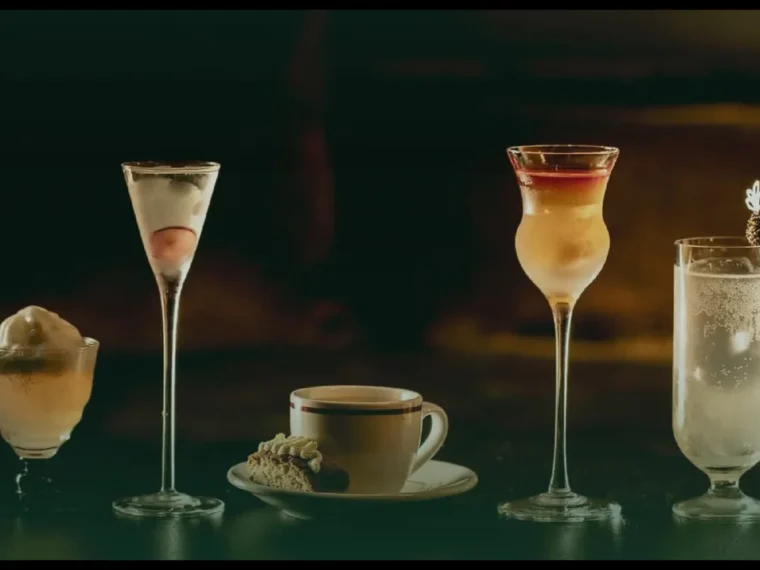
Think Drinks advises venues to put the strongest theatre into one or two menu heroes rather than decorating every drink. Frozen textures, stable foam, sparkling side serves, flights and sharing formats all feature. The idea is visible craft without turning service into a circus.
Quality: clean flavour and provenance
Guests “read quality through clean flavour, meaningful provenance, purposeful garnish and confident execution,” the report says. That is a polite way of saying people can tell when a drink is muddy, over-sweet or randomly garnished.
The drink styles to watch
- The Spritz family: no longer just Aperol. Menus are stretching into elderflower, limoncello, grapefruit, tropical fruit and 0% versions. Aperol Spritz still accounted for 13.6% of UK cocktail spending in Q3 2025, while Hugo Spritz sales were up 196% year on year by June 2026.
- Classics with a twist: Margarita, Mojito, Martini, Paloma and Colada with accents like chilli, yuzu, jasmine or rhubarb.
- Premium soft serves: premium sodas, lemonades, iced teas, botanical fizzes and 0% Spritzes served with cocktail-level glassware and garnish.
- Frozen and sharing formats: frozen Margaritas, Daiquiris and Coladas, plus flights, tasting pairs, mini cocktails and jugs for groups who want to moderate without ordering nothing.
- Texture signals: fine bubbles, stable foams, clarified punches, flavoured airs, sorbets and simple layered effects that show craft before the first sip.
Flavour trends: tropical 2.0 to “swavoury”
Think Drinks flags eight flavour directions. The most useful for home and venue menus are:
- Tropical 2.0: guava, banana, kiwi, dragonfruit.
- Spring fruit and florals: strawberry, rhubarb and peach with elderflower, jasmine, lavender or cherry blossom.
- Citrus beyond lemon and lime: yuzu, grapefruit, bergamot, pomelo, calamansi.
- Swavoury: chilli, salt, miso, sesame, tomato water, olive oil.
- Global accents: tamarind, matcha, date, toasted rice, pandan, shiso.
- Bitter and botanical: amaro, aperitivos, tea, herbs.
- Fermented and culinary: miso, koji, tomato, corn, vinegar.
That last cluster lines up with cafe trends too. Oatly’s Future of Taste report found herbs, botanicals and fermentation high on the radar for drinks professionals, with ginger, hibiscus and lavender among the flavours gaining attention.
What this means if you drink out
Order the house Spritz if the menu treats it as a family, not a single SKU. Ask what the alcohol-free options actually are before you settle for tonic. If a bar has one clearly theatrical serve, that is often the one the team is proud of – and the one most likely to taste considered.
If you are hosting at home, you do not need a full cocktail station. One sharp classic, one Spritz build, and one proper no/low option will cover almost any mixed group. Keep sweetness in check. Fresh citrus and a bitter edge beat another syrup.
For a dessert-led home bake that matches the nostalgia mood, our sticky toffee pudding revival recipe pairs well with coffee-dessert drinks and Bakewell-adjacent flavours.
The full trade write-up of the Think Drinks report is on The Spirits Business.
How cafes and bars are overlapping
The interesting part of 2026 is not only what cocktail bars serve. It is how cafe culture and bar culture are borrowing from each other. Circana’s European foodservice outlook talks about a “liquid revolution”: beverage-only visits are still lower in Europe than in the US, but rising as operators invest in premium coffee, functional drinks and low/no options. Think Drinks’ premium sodas, botanical fizzes and 0% Spritzes sit in that same lane.
If you run or frequent a neighbourhood spot, the winning move is usually a short list done well. One sparkling no/low serve with proper garnish. One nostalgic crowd-pleaser. One bitter or swavoury option for people who are bored of sweetness. That covers date night, after-work moderation and the friend who is not drinking, without needing a 40-line menu.
Home hosts can copy the same structure. Keep ice, citrus, one bitter aperitivo, one sparkling wine or 0% alternative, and one interesting soft botanical in the cupboard. Most of the report’s “Familiar” and “Wellness” ideas can be built from that kit.
FAQ
Are UK cocktail sales still growing in 2026?
Yes. NIQ figures cited by Think Drinks put on-trade cocktail sales at £733 million in the year to March 2026, up 3%.
Why are alcohol-free cocktails getting more attention?
Because many guests are moderating. IWSR data in the report says 44% of UK consumers drink less than a year ago, and 64% want more low- or medium-strength options when out.
What is the biggest Spritz story right now?
Aperol still dominates spend, but Hugo Spritz sales jumped 196% year on year by June 2026, and menus are treating Spritz as a whole family of serves.
What does “swavoury” mean in drinks?
It is Think Drinks’ label for savoury-leaning flavours such as chilli, salt, miso, sesame, tomato water and olive oil.
What should a small bar or home host prioritise?
One classic with a clear twist, one Spritz-style build, one adult alcohol-free option, and clean execution over a long experimental list.