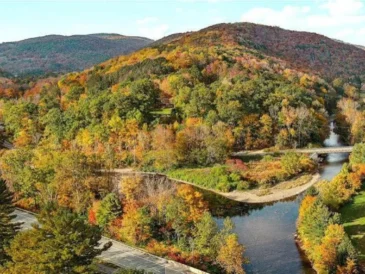

Some destinations impress visitors with modern attractions, while others leave a lasting impression through their history and atmosphere. Hampi, in Karnataka, belongs to the second category. Spread across a remarkable landscape of enormous granite boulders, ancient temples, open fields and the Tungabhadra River, this historic destination feels different from many other places in India.
Hampi was once the flourishing capital of the Vijayanagara Empire, one of the most influential kingdoms in South Indian history. Today, its surviving monuments offer a glimpse into a world of royal ceremonies, religious traditions, bustling markets and impressive architecture. Recognised as a UNESCO World Heritage Site, the ruins attract history enthusiasts, photographers, architecture lovers and travellers looking for something beyond a conventional holiday.
The best way to explore Hampi is to slow down. Rather than rushing between monuments, allow time to notice the carvings, walk along old stone pathways and appreciate how the surrounding landscape forms part of the experience.
Understanding Hampi’s Historical Importance
The Vijayanagara Empire developed Hampi into a major political, cultural and commercial centre. Its temples and royal structures reflect the wealth and artistic achievements associated with the empire. Traders, craftspeople, religious visitors and residents once moved through an urban landscape that included sacred spaces, markets, water systems and royal buildings.
The city’s fortunes changed dramatically after the Battle of Talikota in 1565, when the Vijayanagara forces suffered a major defeat. The capital was subsequently devastated, and its political importance declined. Many structures survived in damaged form, leaving behind an extraordinary archaeological landscape.
What makes Hampi particularly interesting is that its history is not confined to a museum. The remains are spread across a large area, and the terrain helps visitors understand the relationship between the city, its religious centres and its natural surroundings.
Places You Should Not Miss
Virupaksha Temple
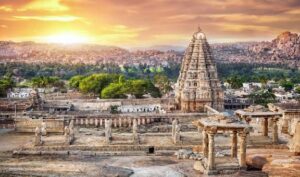
The Virupaksha Temple is one of Hampi’s most important religious landmarks. Dedicated to Lord Shiva, it remains an active place of worship and stands out for its tall entrance tower and detailed architectural features.
Also read: Alsace Rhine Valley Autumn Escape: 2–3 Days from London
Visitors should remember that this is a living religious site, not simply a historical monument. Dress respectfully, follow local instructions and be mindful of worshippers. Take time to observe the surrounding streets and the temple’s relationship with the historic settlement.
Vittala Temple and the Stone Chariot
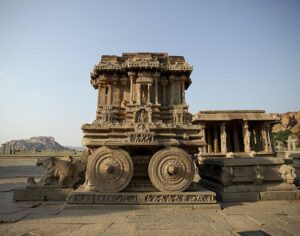
The Vittala Temple complex is among Hampi’s best-known attractions. Its elaborate stonework and impressive architectural design make it a highlight for visitors interested in traditional Indian craftsmanship.
The famous Stone Chariot is one of the site’s most recognisable features. It is admired for its sculptural detail and symbolic importance. The surrounding pillared structures are equally worth exploring, especially if you enjoy studying the patterns and techniques used by historical builders.
Avoid touching fragile carvings or climbing onto protected structures for photographs. Preserving these monuments allows future visitors to experience them too.
Royal Enclosure
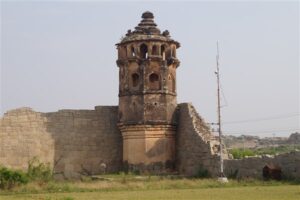
The Royal Enclosure offers a different perspective on the former capital. Instead of focusing only on religious architecture, this area contains remains associated with royal and administrative life.
Explore the surviving platforms, foundations and water-related structures to understand how the royal complex may have functioned. Some buildings are no longer intact, so a little background reading or a knowledgeable local guide can make the visit more meaningful.
Hemakuta Hill
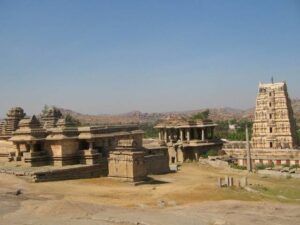
Hemakuta Hill is a rewarding place to explore at a relaxed pace. Its rocky terrain, smaller temples and open views create a quieter atmosphere than some of Hampi’s busiest monuments.
Early morning and late afternoon are generally more comfortable for walking and photography. Watch your footing on uneven rock surfaces, particularly after rain, and carry drinking water.
Achyutaraya Temple and the Old Market Area
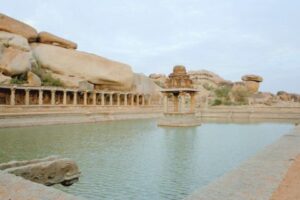
For travellers who want to move beyond the most familiar landmarks, the Achyutaraya Temple area is worth considering. The approach through the historic market landscape helps reveal how religious buildings and commercial activity were connected.
The route also provides opportunities to appreciate Hampi’s unusual combination of architecture and geology. Plan enough time for the walk rather than treating the temple as a quick stop.
A Practical Three-Day Hampi Itinerary
Day One: Discover the Sacred Centre
Begin with the Virupaksha Temple and the surrounding historic streets. Arriving early helps you avoid the strongest midday heat and gives you time to explore at a comfortable pace.
Continue towards Hemakuta Hill, allowing time for photographs and short walks. Later, visit nearby monuments according to opening hours and access arrangements. Use the evening to enjoy the changing light across the rocky landscape, but check sunset timing and return safely before it becomes difficult to navigate.
Day Two: Explore the Royal City
Dedicate the second day to the Royal Enclosure and nearby monuments. The area is spread out, so comfortable shoes, sun protection and water are essential.
Continue to the Vittala Temple complex, one of the major highlights of Hampi. Check the current access arrangements before travelling, as visitor movement within protected areas can change. If you are interested in architecture, consider hiring a guide who can explain the symbolism and construction techniques behind the monuments.
Day Three: Slow Travel and Hidden Corners
Use the final day to revisit an area you enjoyed or explore less crowded routes where access is permitted. The Achyutaraya Temple area, quieter pathways and selected riverside viewpoints can offer a different experience from the main tourist circuit.
If you are considering crossing the river or visiting settlements on the opposite bank, verify current boat services and local conditions. Transport arrangements can vary, and river levels may affect access. Keep the schedule flexible instead of planning the day around an assumed crossing.
The Best Time to Visit Hampi
The cooler months, broadly from October to February, are often more comfortable for sightseeing. Temperatures can rise considerably during the hotter months, making long walks between monuments tiring.
The monsoon season changes the appearance of the landscape, but rain can make rocky paths slippery and affect outdoor plans. Before travelling, check the forecast and local conditions, especially if your itinerary includes walking across exposed terrain.
Regardless of the season, start outdoor activities early, take breaks in shaded places and avoid pushing yourself through the hottest part of the day.
Food, Accommodation and Getting Around
Hospet, officially known as Hosapete, is a common base for visitors because it offers transport connections and a wider choice of accommodation. Staying closer to Hampi’s monument areas may reduce travel time, but facilities and transport options can differ.
Local restaurants serve South Indian meals, snacks and familiar traveller-friendly dishes. Try regional food where available, and choose establishments that maintain good hygiene. Carry some water and light snacks on days when you expect to walk for several hours.
Hampi’s attractions are spread across a large area. Depending on your route, you may combine walking with local transport, bicycles or other available services. Confirm prices before hiring transport, and check whether a proposed route is practical in the heat.
Travel Tips for a Better Experience
Wear comfortable footwear with a good grip. Many paths are uneven, and some areas involve climbing over rocks or walking across exposed ground. Carry sunscreen, a hat, drinking water and a small bag for essentials.
Respect religious customs at active temples and follow photography restrictions wherever they apply. Do not remove stones, disturb archaeological remains or leave litter behind. If you hire a guide, agree on the fee and duration before the tour begins.
Keep some flexibility in your itinerary. Hampi is best enjoyed when you have time to pause, study the architecture and appreciate the scenery rather than racing to complete a checklist.
Hampi offers more than a collection of ancient ruins. Its temples, royal remains, rocky hills and river landscape combine to tell the story of a once-powerful capital. A carefully planned three-day visit provides a useful introduction, while slower exploration reveals details that hurried travellers may miss.
Whether your interest lies in Indian history, architecture, photography or peaceful travel, Hampi rewards curiosity. Arrive prepared, respect its heritage and leave enough room in your schedule simply to experience the place.