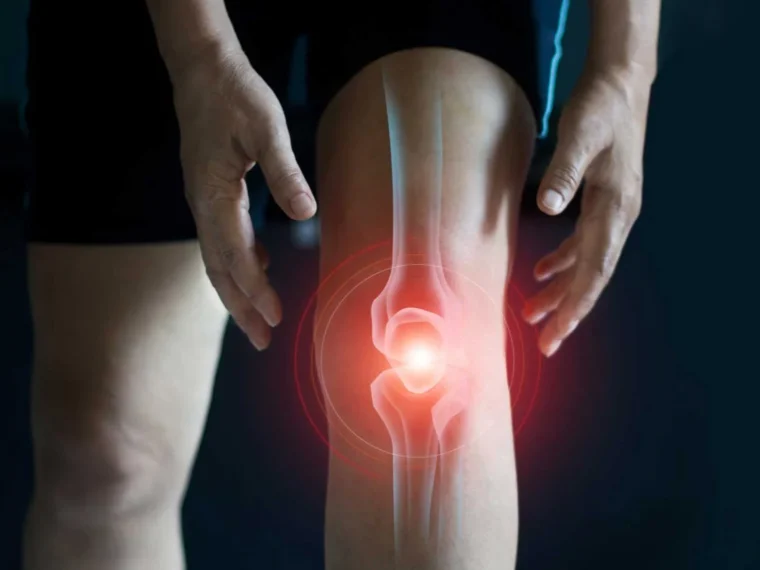
Home Remedies for Joint Pain and Stiffness: If your knees, knuckles or lower back start complaining a little more as the weather cools down, you are far from alone. Joint pain has a well-known tendency to flare up in colder months, and while doctors do not fully agree on the exact mechanism, the pattern is consistent enough that it shows up in homes across the country every winter, especially among older family members.
Here is a practical look at why this happens, which home remedies genuinely help, and when joint pain needs more than a home remedy to manage properly.
Why Joint Pain Gets Worse in Cold Weather
There are a few theories about why cold weather affects joints, and the honest answer is that the exact cause is not fully settled by medical science. Some researchers point to changes in barometric pressure, which can cause tissues around joints to expand slightly, putting more pressure on already sensitive areas. Others point to reduced blood flow to the extremities in cold weather, since the body prioritizes keeping core organs warm, which can leave joints feeling stiffer and less flexible.
People with existing conditions like osteoarthritis, rheumatoid arthritis, or old injuries often report the clearest seasonal pattern, with pain and stiffness becoming noticeably worse from around October through the coldest months. Even people without a diagnosed joint condition sometimes notice more general stiffness during this period, likely linked to reduced activity levels and the body’s natural response to cold.
Warm Oil Massage
One of the oldest and most consistently recommended home remedies for joint discomfort is a warm oil massage, often using sesame, mustard or coconut oil, sometimes infused with ingredients like garlic or ajwain (carom seeds) for additional warming effect.
Warm the oil gently, just enough that it is comfortable to touch, not hot, and massage it into the affected joint using slow, circular motions for several minutes. This approach works on a few levels. The physical act of massage improves local blood circulation, the warmth itself is soothing to stiff tissue, and the ritual of taking a few minutes to care for a sore joint has genuine value even beyond the physical effect.
This remedy is best done in the evening, ideally before a warm shower or bath, since the combination of massage and subsequent warmth tends to offer the most noticeable relief.
Also read: Vastu Tips for the Kitchen: Stove Direction, Sink Placement and Storage
Turmeric Milk (Haldi Doodh)
Turmeric contains curcumin, a compound that has been studied for its anti-inflammatory properties, and warm turmeric milk is a long-standing home remedy for everything from sore throats to joint discomfort. A cup of warm milk with a pinch of turmeric and, often, a small piece of crushed black pepper, which is believed to improve the body’s absorption of curcumin, is a common evening ritual in many Indian households during the colder months.
While a single cup of turmeric milk will not dramatically transform chronic joint pain, regular use alongside other remedies and a generally anti-inflammatory diet is a reasonable, low-risk habit worth maintaining through the colder season.
Ajwain Potli (Carom Seed Compress)
A warm compress made from roasted ajwain (carom seeds) tied into a small cloth pouch is a traditional remedy specifically aimed at localized joint and muscle pain. The seeds are dry-roasted until warm, then wrapped in a cotton cloth and pressed gently against the affected area.
The warmth from the roasted seeds, combined with ajwain’s natural properties, is believed to ease stiffness and discomfort in a specific joint, such as a knee or shoulder. This remedy is particularly popular for localized pain rather than widespread joint discomfort, and the potli can be reheated and reused across a few days if stored properly.
Epsom Salt Soaks
For hands, feet or any joint that can be comfortably soaked, a warm water bath with Epsom salt dissolved in it is a widely used remedy for easing stiffness. Epsom salt is made of magnesium sulfate, and while scientific evidence on how much magnesium is actually absorbed through skin during a soak is limited, many people report genuine relief from the combination of warm water and the ritual of soaking a sore joint for ten to fifteen minutes.
This remedy works particularly well for hand and foot joints, which are easy to soak in a basin even without a full bathtub.
Gentle Movement and Stretching
It might feel counterintuitive when a joint is stiff and achy, but gentle, regular movement is one of the most effective things you can do for joint health, especially during colder months when the temptation to stay still and bundled up is strongest.
Simple range-of-motion exercises, slow stretches, and low-impact activities like walking or gentle yoga help keep joints lubricated and prevent the stiffness that comes from prolonged inactivity. This does not mean pushing through sharp pain, but rather maintaining a consistent, gentle level of movement rather than letting a joint sit completely still for long stretches, which tends to make stiffness worse, not better.
Dietary Adjustments
What you eat can play a supporting role in managing joint discomfort, particularly around inflammation.
Foods rich in omega-3 fatty acids, such as flaxseeds, walnuts and fatty fish, are commonly recommended for their anti-inflammatory properties. Ginger, used in cooking or as a warm tea, has similar properties to turmeric and is another common addition to a joint-friendly winter diet.
Staying hydrated matters too, even though it is easy to forget during cold weather when you are less likely to feel thirsty. Cartilage, the cushioning tissue in joints, relies partly on adequate hydration to function well, so maintaining regular water intake through winter is a simple but often overlooked habit.
Keeping Joints Warm
This sounds almost too obvious to mention, but consistently keeping affected joints warm, through appropriate clothing, blankets, or simply avoiding prolonged exposure to cold surfaces or drafts, makes a genuine difference for many people. Knee supports, warm socks and layered clothing around commonly affected joints are simple, low-cost ways to reduce the discomfort that cold weather tends to bring.
Weight Management
For weight-bearing joints specifically, knees, hips and the lower back, maintaining a healthy body weight reduces the mechanical load these joints carry every day. This is not a quick home remedy, but over time, gradual, sustainable weight management is one of the more effective long-term strategies for reducing joint stress, particularly for people managing osteoarthritis.
When Home Remedies Are Not Enough
Home remedies are genuinely useful for managing mild, everyday joint stiffness and the seasonal aches that many people experience as weather cools. They are not a substitute for proper medical evaluation when pain is severe, persistent or accompanied by other concerning symptoms.
See a doctor if joint pain is severe enough to limit your daily activities, if a joint is visibly swollen, red or warm to the touch, if pain persists for more than a few weeks despite home care, or if joint pain is accompanied by fever, unexplained weight loss, or pain in multiple joints simultaneously, which can sometimes indicate an underlying inflammatory condition that needs proper diagnosis and treatment.
If you have a diagnosed condition such as rheumatoid arthritis or osteoarthritis, home remedies work best as a complement to your prescribed treatment plan, not a replacement for it. Always check with your doctor before starting any new remedy, particularly if you are on existing medication, since some natural remedies can interact with prescribed drugs.
Building a Simple Winter Joint Care Routine
Rather than trying every remedy at once, consider building a simple, consistent routine through the colder months. A warm oil massage a few times a week, a daily cup of turmeric milk, regular gentle movement even on days when motivation is low, and keeping commonly affected joints warm through appropriate clothing cover most of the practical ground without requiring a complicated regimen.
Cold-weather joint pain is a genuine, widely reported phenomenon, even if the exact science behind it is still debated. Traditional remedies like warm oil massage, turmeric milk and ajwain compresses offer real comfort for mild, everyday stiffness, and combining them with gentle movement, proper hydration and appropriate warmth through winter addresses most of what the season throws at your joints. For anything beyond mild discomfort, particularly pain that is severe, persistent or accompanied by swelling, a proper medical evaluation remains the right next step rather than relying on home care alone.