
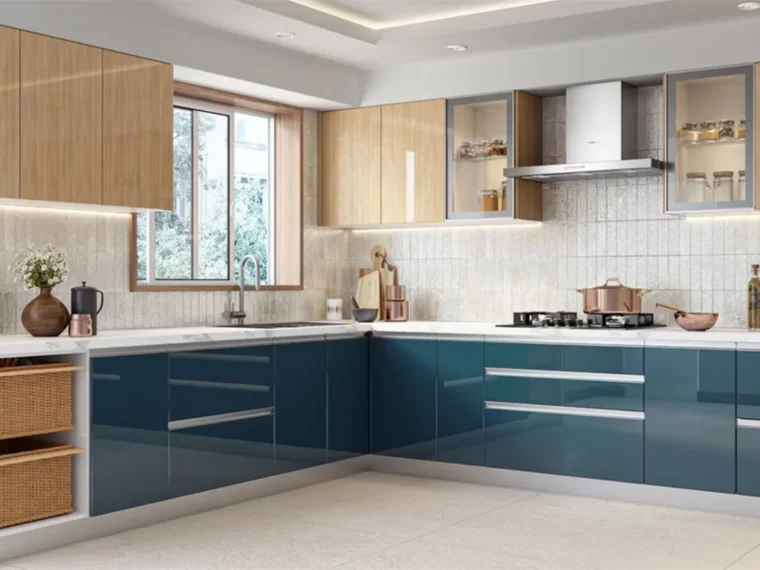
Vastu tips for kitchen: Of all the rooms in a home, the kitchen gets some of the most detailed attention in Vastu Shastra, and there is a reason for that. The kitchen is where fire and water, two opposing elements, exist in the same space every single day, and Vastu treats the relationship between them as genuinely important to get right.
Whether you are planning a new kitchen from scratch or simply want to improve the layout of the one you already have, here is a practical, room-by-room breakdown of what Vastu recommends, and realistic ways to work with a kitchen you cannot fully redesign.
Why the Kitchen Matters So Much in Vastu
The kitchen is governed by the fire element, Agni, and its ideal zone in the home is the southeast corner. This direction is considered the natural seat of fire energy, and a kitchen placed here is believed to support good health, balanced digestion and overall harmony in the household, since food prepared in a well-placed kitchen is thought to carry better energy.
If the southeast is not available, the northwest direction is considered the next acceptable option. Vastu generally advises against placing the kitchen in the northeast or southwest corners of a home, since these zones are associated with very different energies, spiritual clarity in the case of northeast, and heaviness and stability in the case of southwest, both of which are considered a poor match for the fire and activity of cooking.
Also read: Sharad Purnima 2026: Significance, Kheer Ritual and Moonlight Remedies
Stove Placement and Direction
The stove is considered the single most important element within the kitchen in Vastu, since it directly represents the fire element at work.
The stove should ideally be placed in the southeast corner of the kitchen itself, even if the kitchen as a whole sits elsewhere in the house. While cooking, the person at the stove should face east, which is considered the most auspicious direction for this activity, associated with positive energy and the rising sun.
A few additional stove-related points come up often in Vastu guidance. The stove should not be placed directly beneath a window, since this is believed to let the fire’s energy “escape” rather than stay contained within the kitchen. It should also not be placed directly in line with the main kitchen door, since Vastu generally discourages important elements, the stove included, from facing directly toward a doorway.
Avoid placing the stove directly next to or facing the kitchen sink. This detail comes up more than almost any other kitchen Vastu rule, because it represents the fire and water elements in direct opposition, which Vastu considers disruptive. A gap of at least a few feet between the stove and sink is generally recommended, even in compact kitchens where the choice of layout is limited.
Sink and Water Placement
Water-related fixtures, including the sink, the water filter and the drinking water storage area, are best placed in the northeast or north part of the kitchen, in line with Vastu’s broader association of water with these directions.
As mentioned above, keeping the sink away from direct alignment with the stove is one of the more consistently repeated pieces of Vastu kitchen advice. If your existing kitchen layout already has them close together or facing each other, a common suggested remedy is to place a small decorative divider, plant or other object between the two to symbolically separate the elements, since a full renovation is not always practical.
Refrigerator Placement
The refrigerator, despite being an electrical appliance, is treated slightly differently from other electronics in Vastu because of its association with food storage and household abundance. The northwest direction is generally considered the best placement for a refrigerator.
If northwest is not possible within your kitchen’s layout, the south or southeast walls are considered acceptable alternatives. Avoid placing the refrigerator directly in the northeast corner, consistent with the broader Vastu guidance to keep that zone light and uncluttered.
Storage and Cabinet Placement
Heavier storage, including large grain containers, bulk supplies and less frequently used items, is best kept in the southwest or south part of the kitchen. This aligns with Vastu’s general preference for heavier, more stable elements to sit in the southwest zone of any room.
Lighter storage, such as everyday spices, frequently used utensils and smaller items, works well in the north or east, which are associated with lightness and frequent activity.
Grain and food storage specifically is often recommended for the west or south part of the kitchen, tied to traditional associations between these directions and nourishment and sustenance.
Dining Area Placement
If your kitchen includes an attached dining space, or if you are deciding where to position a separate dining area near the kitchen, Vastu offers guidance here too. The west direction is generally considered favorable for a dining area, and family members eating together are traditionally encouraged to face east while eating, in keeping with the broader preference for this direction during meals and significant daily activities.
Common Kitchen Vastu Mistakes and Practical Fixes
Most homes, especially apartments with pre-built layouts, do not match every Vastu recommendation exactly. Here are some of the most common mismatches and ways to work with them without a full renovation.
Kitchen in the northeast or southwest. If you cannot move the kitchen itself, which is often the case in apartments, focus on keeping the space extremely clean and clutter-free, since cleanliness is considered one of the most important ways to offset a less-than-ideal directional placement in Vastu.
Stove facing the wrong direction. If rearranging your stove to face east is not physically possible given your kitchen’s plumbing and gas connections, some Vastu practitioners suggest that even a small adjustment, such as standing to the side and angling your body toward the east while cooking when practical, offers a partial remedy, though a full stove reorientation is always considered the stronger fix if feasible.
Stove and sink facing each other. As mentioned, a plant, small decorative screen or any neutral dividing object placed between the two is a commonly suggested workaround.
Kitchen door misaligned with the stove. If you cannot change the door position, keeping a small curtain or screen near the entrance is sometimes used as a softer barrier between the door and the stove.
Color and Lighting in the Kitchen
Vastu also touches on color choices for the kitchen. Warm tones such as orange, yellow, red and shades of brown are generally considered favorable, aligning with the fire element that governs the space. Avoid excessive use of black or very dark colors on kitchen walls, since these are considered to work against the kitchen’s natural energy.
Good natural light and ventilation are emphasized strongly in Vastu for kitchens specifically, both for the symbolic reason of keeping the fire element from feeling trapped or stagnant, and for the entirely practical reason that a well-ventilated kitchen is simply more pleasant and hygienic to cook in.
A Few Points of Agreement With Everyday Kitchen Design
It is worth noting that several Vastu kitchen principles align closely with general good kitchen design, regardless of belief system. Keeping the stove away from direct drafts near windows, maintaining distance between water sources and open flames for safety, ensuring good ventilation, and keeping storage organized by frequency of use are all sound practical advice independent of any Vastu framework. This overlap is part of why many of these principles have persisted in Indian homes for generations, blending practical kitchen wisdom with traditional belief.
Realistic Steps If You Cannot Redesign Your Kitchen
If you are renting, or if your kitchen’s plumbing, gas lines and layout are fixed, a full Vastu-compliant redesign is often simply not possible. In these situations, focus on the changes that are actually within your control.
Keep the space clean and decluttered at all times, since this is the single most consistently emphasized Vastu principle across every room in the home, kitchen included. Position moveable items, such as a water filter, spice rack or small storage units, according to the directional guidance where you have flexibility. And address the stove-sink alignment issue with a simple divider if the two are positioned close together or facing one another.
A Vastu-aligned kitchen centers on a few consistent principles: southeast placement for the kitchen and stove where possible, facing east while cooking, keeping the stove and sink appropriately separated, and organizing storage by weight and frequency of use across different directions. Not every home allows for a perfect setup, and that is a normal, expected limitation rather than a failure. Focusing on cleanliness, good ventilation and the specific adjustments that are actually within your control tends to bring a kitchen meaningfully closer to Vastu principles, even without a full renovation.