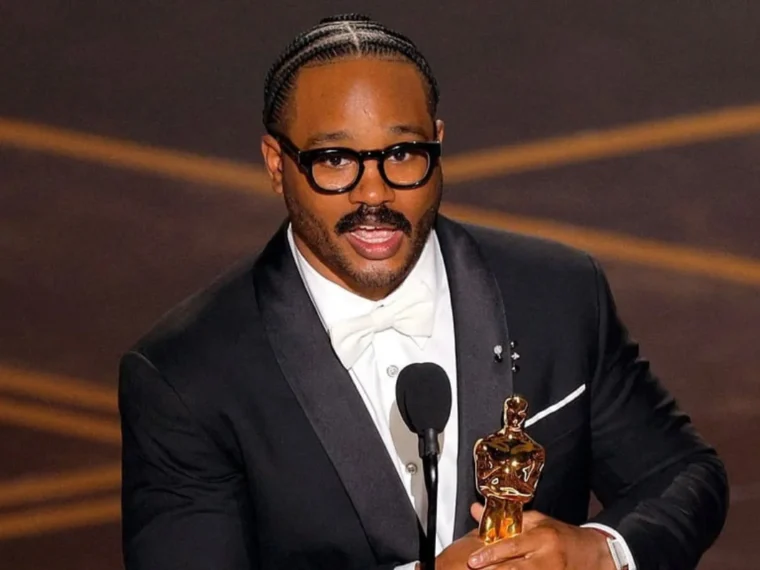
When Ryan Coogler’s production company, Proximity Media, signed with Netflix this year, it wasn’t just another Hollywood overall deal getting announced. It was a genuine shift in a relationship that had defined a decade of Coogler’s career, and it says a lot about where the streaming business is heading next.
From Wakanda to a Fresh Start
Proximity Media, founded by Coogler, his wife Zinzi Coogler, and producing partner Sev Ohanian, signed a five-year exclusive television deal with Disney back in 2018 — the same year “Black Panther” became the highest-grossing film ever directed by a Black filmmaker. That deal put Proximity to work developing Wakanda-connected television, and over the years the company produced Marvel’s “Ironheart” for Disney+ and the docuseries “Hurricane Katrina: A Race Against Time,” among other projects.
That partnership expired earlier this year, and rather than renew with Disney, Coogler’s team moved to Netflix. According to Netflix’s own announcement, Proximity Media Television will now exclusively develop new series for the platform, working alongside Netflix’s scripted series leadership. It’s worth noting Coogler isn’t cutting ties with Disney entirely — Proximity still has an X-Files reboot and a Southern Bastards adaptation in development at Hulu, which remains a Disney-owned platform, so those two projects stay put even as the new overall deal moves to Netflix.
The Timing Isn’t a Coincidence
This deal lands right after one of the biggest wins of Coogler’s career outside the Marvel universe: “Sinners,” his original horror film distributed by Warner Bros., made on a $90 million budget and pulling in $365 million worldwide. That’s the kind of box office result that gives a filmmaker real leverage in deal negotiations — proof that audiences will show up for original Coogler projects, not just franchise ones.
For Netflix, landing a filmmaker who just proved he can open an original film theatrically, while also holding a track record with major franchise IP, is close to an ideal signing. It fits into a broader pattern of the streamer pursuing proven creators with both commercial track records and awards-season credibility, rather than betting purely on volume.
Also read: ‘The Runner’ Review: Gal Gadot Can’t Outrun a Broken Script
What This Means for Streaming Strategy
The move highlights something that’s been building across the industry for a couple of years now: top-tier creators are treating overall deals less like a career-long marriage and more like a series of strategic partnerships. Disney built an entire wing of its television slate around Marvel-adjacent projects from creators like Coogler, but once that specific well runs dry, there’s no guarantee those relationships continue past the initial contract term.
Netflix, meanwhile, has been aggressive about picking up major creators as their existing studio deals expire, using the promise of creative freedom and global distribution reach as the pitch. Landing Proximity Media isn’t about a single show — it’s about building a relationship with a filmmaker capable of producing both prestige awards contenders and big commercial swings, and hoping some of that translates into franchise-level IP that Netflix can eventually own outright, the way Disney owns Wakanda.
The End of the Studio-Exclusive Franchise Era?
Coogler’s situation is also a useful case study in how franchise filmmaking is changing. A decade ago, a filmmaker who helped build something as valuable as the Black Panther universe would likely have stayed tied to that studio indefinitely, tethered to sequels and spinoffs. Instead, Coogler’s team has split its portfolio: original, non-franchise work moving to Netflix, existing IP-adjacent projects finishing out at Hulu, and Coogler himself remaining free to direct outside both ecosystems entirely.
This kind of arrangement, where a top creator maintains simultaneous relationships across competing platforms rather than staying locked into one studio’s universe, is becoming more normal as streamers compete harder for a shrinking pool of proven hitmakers. It suggests future franchise television may increasingly be built around portable creative talent rather than talent locked permanently to a single IP-owning studio.
Why Audiences Should Care
For viewers, the practical effect is straightforward: expect new Proximity Media series to start showing up on Netflix rather than Disney+, while whatever Wakanda-related material already exists stays where it is. But the bigger takeaway is about where ambitious, non-superhero television is likely to land going forward. Coogler has spent his career alternating between giant franchise installments and smaller, personal projects — “Fruitvale Station,” “Sinners” — and this deal suggests Netflix is betting heavily on the personal side of that split translating into series television.
If Proximity’s Netflix slate ends up leaning into original, culturally specific storytelling rather than franchise extensions, it could be a meaningful signal for the kind of programming streamers are willing to bankroll right now: not another cinematic universe, but distinct, creator-driven television from filmmakers who’ve already proven they can do both.
The Bigger Picture
Deals like this rarely make headlines the way a blockbuster trailer does, but they shape the next several years of what actually gets made. Coogler’s move from Disney to Netflix isn’t just a contract renewal story — it’s a snapshot of how the biggest streaming platforms are now competing directly for proven creative talent, betting that the right filmmaker relationship is worth more than owning a single franchise outright.
Expect more deals like this one in the coming months, as other major studio-aligned creators reach the end of their existing agreements and streamers line up to make their pitch.