
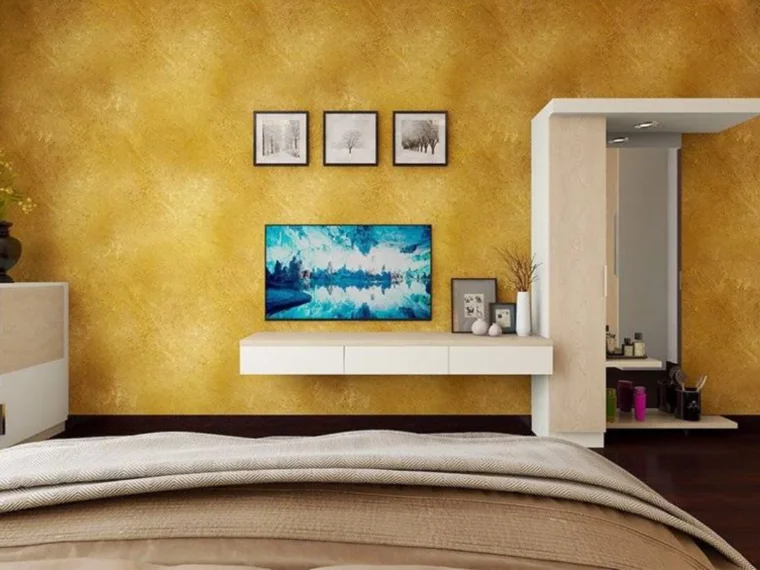
Vastu Tips for the Bedroom: The bedroom gets more attention in Vastu Shastra than almost any other room besides the kitchen and the main entrance, and it is easy to understand why. It is where you spend roughly a third of your life, where rest and recovery happen, and where, according to Vastu, the wrong arrangement is believed to quietly disrupt sleep, relationships and overall wellbeing without you ever quite realizing why.
Here is a practical, room-by-room guide to the most commonly followed bedroom Vastu principles, along with realistic ways to apply them even if your room’s layout is already fixed.
Choosing the Right Room for the Bedroom
Before getting into furniture placement, Vastu has guidance on which part of the house should function as the main or master bedroom in the first place. The southwest corner of the home is considered the most favorable location for the master bedroom, since this direction is associated with stability, strength and the earth element, qualities considered supportive of a settled, grounded married life.
For children’s bedrooms, the west or northwest direction is commonly recommended, while guest bedrooms are often placed in the northwest, a direction associated in Vastu with movement and transition, fitting for a space meant for temporary occupants.
Most people, of course, do not get to choose their home’s layout from scratch, particularly in apartments. If your bedroom is not in the southwest, Vastu does not suggest this is a serious problem, just that a few additional adjustments within the room can help balance the space.
Bed Direction: The Most Important Detail
Of everything covered in bedroom Vastu, bed placement and the direction you sleep in receive the most attention, and for good reason, since this is where you spend the most continuous, vulnerable hours of your day.
Sleeping direction. Vastu generally recommends sleeping with your head toward the south or east, and specifically advises against sleeping with your head toward the north. The reasoning given is tied to the earth’s magnetic field, with the belief that a north-facing head position creates a conflict with the body’s own magnetic alignment, potentially disrupting sleep quality and circulation. Sleeping with your head toward the south is considered the most favorable option of all, associated with sound sleep and longevity.
Bed placement in the room. The bed itself should ideally be placed against the south or west wall of the bedroom, allowing the sleeper’s head to align with the recommended south or east direction. Avoid placing the bed directly beneath a ceiling beam, since Vastu considers this to create pressure, both literal and symbolic, on whoever sleeps underneath it.
Also read: Navratri Fasting Rules: What You Can and Cannot Eat During the 9 Days
Distance from the door. The bed should not be in a direct line with the bedroom door. This placement is believed to leave the sleeper feeling exposed or unsettled, and is one of the more commonly cited layout issues when a bedroom feels “off” despite otherwise reasonable furniture choices.
Avoid sleeping under a window. Placing the bed directly beneath a window is generally discouraged, both for the Vastu reasoning around energy flow and for the entirely practical concern of drafts, noise and light disrupting sleep.
Mirror Placement
Mirrors receive some of the most specific and most frequently repeated guidance in bedroom Vastu, largely because of their association with reflection and duplication of energy, which is considered inappropriate in a room meant for rest.
Never place a mirror facing the bed. This is considered one of the most important rules in bedroom Vastu. A mirror reflecting a sleeping person is believed to create restlessness and disturb peaceful sleep, and in more traditional interpretations, is thought to invite negative energy into the relationship of a couple sharing the bed.
If a mirror in your room does face the bed and cannot be relocated, a common and widely practiced remedy is to cover it at night with a cloth or curtain, or to reposition it so that it does not have a direct line of sight to the bed, even if it remains in the same general area of the room.
Placement for dressing mirrors. If you need a mirror for daily use, placing it on a wall perpendicular to the bed, or inside a closet door that stays closed, is generally considered a safer option than a mirror mounted on a wall directly facing the sleeping area.
Colour Choices for the Bedroom
Vastu offers guidance on bedroom colours too, generally favoring calming, soft tones over bright or intense ones.
Soft, muted shades of blue, green, pink and light earth tones are commonly recommended for bedroom walls, associated with calm, restfulness and emotional stability. Avoid dark colours like black, or overly intense shades of red, in large quantities on bedroom walls, since these are considered too stimulating for a space meant for rest, though small accents in these colours, such as in decor or bedding, are generally considered acceptable.
For couples hoping to strengthen their relationship, soft pink or warm earth tones are sometimes specifically recommended, tied to associations with warmth and partnership in Vastu colour theory.
Electronics in the Bedroom
As covered in general Vastu guidance on gadgets, electronics are generally discouraged in the bedroom, particularly televisions, which Vastu advises against placing in this room altogether where possible. If a television is unavoidable, keeping it covered when not in use, or placed inside a cabinet rather than mounted openly on the wall facing the bed, is a commonly suggested compromise.
Phones and chargers should ideally be kept away from the immediate vicinity of the pillow, both for the Vastu reasoning around electromagnetic disruption during sleep, and for the practical sleep hygiene reasons increasingly echoed by general wellness advice as well.
Furniture and Storage
Heavy furniture, including large wardrobes and storage units, is best placed along the south or west walls of the bedroom, consistent with Vastu’s broader preference for weight and solidity in these directions. Avoid overcrowding the room with excess furniture, since Vastu places significant emphasis on keeping bedrooms relatively open and uncluttered, both for the symbolic flow of energy and for the simple practical benefit of a calmer, easier-to-maintain space.
Keep the area under the bed as clear as possible. Storing items under the bed, particularly old or unused belongings, is generally discouraged in Vastu, since this is believed to trap stagnant energy directly beneath the sleeping area. If storage under the bed is unavoidable due to space constraints, keeping it limited to clean, frequently used items rather than clutter is considered a reasonable compromise.
Plants in the Bedroom
Unlike balconies and gardens, where plants are generally encouraged throughout, Vastu takes a more cautious approach to plants inside the bedroom specifically. Most plants are generally discouraged in bedrooms, since many release carbon dioxide at night rather than oxygen, which is considered counterproductive to restful sleep, both in Vastu terms and in general plant biology.
If you want to keep a plant in the bedroom regardless, a small, low-maintenance option placed away from the immediate bed area, rather than directly beside it, is generally considered the safer choice.
Common Bedroom Vastu Mistakes and Practical Fixes
Most homes do not allow for a fully ideal bedroom setup, and that is a normal constraint rather than a failure. A few of the most common mismatches and simple ways to address them:
Head facing north while sleeping. If repositioning the bed is not possible due to the room’s layout, some people address this by simply adjusting which end of the bed they sleep from, effectively reversing their sleeping direction without moving the furniture itself.
Bed directly facing the door. A simple room divider, curtain, or even repositioning the bed at a slight angle, where the room allows, can help soften this alignment without requiring a full furniture rearrangement.
Mirror facing the bed. As mentioned, covering the mirror at night with a cloth is the most commonly practiced and simplest fix.
A Balanced Perspective
As with other areas of Vastu, it is worth approaching bedroom guidance as a set of generally sensible organizing principles rather than strict, non-negotiable rules. Some elements, like avoiding clutter, keeping electronics away from the bed, and choosing calming colours, align closely with general sleep hygiene advice regardless of belief system. Others, like the specific directional sleeping guidance, rest more firmly within traditional Vastu reasoning.
Adopting what feels practical and reasonable for your own space, rather than attempting to force an imperfect room into a textbook-perfect layout, tends to be the most workable approach for most people.
Vastu’s bedroom guidance centers on a few consistent themes: sleep with your head toward the south or east rather than north, keep the bed clear of direct alignment with doors and mirrors, favor calm, muted colours over intense ones, and keep electronics and clutter to a minimum. None of this requires a full room renovation. A few thoughtful adjustments, repositioning a mirror, choosing a calmer colour palette, or simply decluttering the space under the bed, can bring a bedroom meaningfully closer to these principles, while also making it a genuinely more restful place to spend a third of your life.