
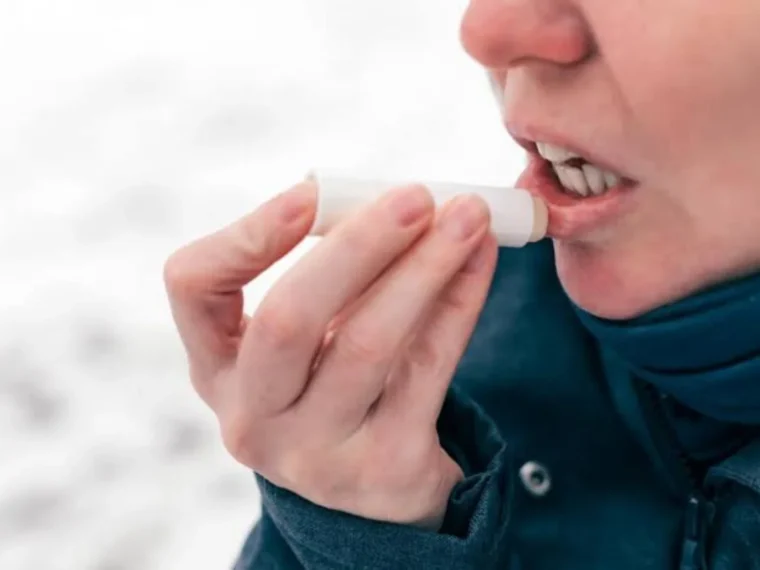
Home Remedies for Dry Skin: You usually notice it first on your lips. One morning they feel tight, the next day there is a small crack at the corner, and by the end of the week your elbows, heels and shins have joined in. Dry skin is one of the most predictable signs that the seasons are changing, and it tends to show up in October well before the real cold arrives.
The good news is that mild dryness responds well to simple habits and a few kitchen-cupboard remedies. Here is a practical guide to what actually helps, what to skip and when it is time to see a doctor.
Why Skin Dries Out as the Weather Cools
Your skin keeps itself soft through a thin layer of natural oils and moisture. When the air turns drier, that layer loses water faster than your body can replace it. Several things stack up at this time of year:
- Lower humidity outdoors, especially in the north
- Early morning breeze and dust from the tail end of the season
- Hot showers, which strip natural oils
- Air conditioners and, later, heaters that dry indoor air
- Drinking less water because you do not feel as thirsty
Lips are especially vulnerable because they have no oil glands of their own. That is why they chap so quickly, and why licking them makes things worse. Saliva evaporates fast and leaves the skin drier than before.
Start With the Basics
Remedies work best when the everyday routine is right. A few small changes do more than any single home treatment.
Switch to lukewarm water. Very hot showers feel good in the cold, but they remove protective oils. Keep baths short and use lukewarm water where you can.
Use a gentle cleanser. Harsh soaps and strongly foaming body washes can leave skin tight. Choose a mild, fragrance-free option.
Moisturize right after bathing. Pat your skin lightly with a towel and apply moisturizer while it is still slightly damp. This helps lock in water.
Choose a thicker product. A lightweight lotion may be enough in summer, but winter often calls for a cream or ointment. Look for ingredients like glycerin, ceramides or shea butter.
Do not skip sunscreen. Winter sun still affects skin, and lips can burn too. A sunscreen lip balm is a smart choice if you spend time outdoors.
Coconut Oil
Coconut oil is a household staple across much of India and a reasonable moisturizer for body skin. Massage a small amount onto damp skin after bathing, focusing on elbows, knees, hands and feet. It forms a light barrier that slows water loss.
A few cautions: coconut oil can feel heavy on the face and may clog pores in people prone to acne, so it is better used on the body. If you notice breakouts or irritation, stop using it.
Also read: Diwali Deep-Cleaning Checklist: A 4-Week Room-by-Room Plan Before November 8
Sesame and Almond Oil
Sesame oil has a long tradition in Ayurvedic self-massage, known as abhyanga, particularly in cooler months. Warm it slightly, massage it into the skin and leave it for fifteen to twenty minutes before a lukewarm bath. Almond oil is a lighter alternative that suits many people with sensitive skin.
Use only a small amount, since oil on a wet floor can be slippery, and avoid heavy oils on the face if you are acne-prone.
Aloe Vera
The gel from an aloe vera leaf is cooling and soothing, which makes it useful for dry, itchy or slightly irritated skin. Apply a thin layer of fresh gel or a pure, fragrance-free product and let it absorb. It is lighter than oils, so many people like it for the face and hands.
Do a quick patch test first, because a few people react to the sap near the skin of the leaf. If you use a commercial gel, check that it does not contain a lot of added alcohol or fragrance, which can dry skin further.
Honey
Honey is a natural humectant, meaning it draws moisture toward the skin. A thin layer on dry patches for ten minutes, rinsed off with lukewarm water, can leave skin feeling softer. It also works for lips, which brings us to the next section.
Lip Remedies That Actually Help
Cracked lips are uncomfortable, and they tend to get worse if you pick or peel them. Gentle care works best.
Plain petroleum jelly. It is not glamorous, but it is one of the most effective lip protectants because it seals in moisture. Apply it generously at night.
Ghee. A dab of pure ghee at bedtime is a traditional remedy in many homes. It is soothing and softens dry skin overnight. Use a clean fingertip and a small amount.
Honey and ghee. A tiny drop of each, mixed, makes a gentle overnight lip treatment.
Coconut oil. A little on the lips works similarly, especially during the day.
Sugar and honey scrub, used sparingly. Gently exfoliating once a week can remove flakes, but do not scrub if your lips are cracked or bleeding. Use a soft toothbrush or a damp cloth instead and be gentle.
Things to avoid: lip balms with strong menthol, camphor or fragrance can feel cooling at first but may dry lips further for some people. Also avoid licking, biting or peeling the skin.
Drink Enough and Eat for Skin
Skin care starts from the inside too. Staying hydrated does not instantly fix dry skin, but dehydration certainly makes it worse. Aim to drink water regularly even if you do not feel thirsty, and include warm fluids like herbal tea, soup or buttermilk in your day.
Foods that contain healthy fats support the skin barrier. Nuts, seeds, flaxseed, fish and ghee in moderate amounts all contribute. Fruits and vegetables rich in vitamins A, C and E, such as carrots, oranges, spinach and papaya, are also useful.
Humidity and Home Habits
If the air in your room is very dry, especially with air conditioning or heating, a humidifier can make a noticeable difference. A bowl of water placed near a radiator or heater also helps a little.
Wear soft, breathable fabrics such as cotton next to the skin. Wool and synthetic materials can irritate dry skin, so layer a cotton piece underneath.
Use gloves outdoors on cold days and when washing dishes, as repeated contact with water and detergent strips the hands of their oils.
Common Mistakes
- Over-exfoliating. Scrubbing dry skin makes it more fragile. Once or twice a week is enough, and gentle is better.
- Using very hot water. It feels comforting but worsens dryness.
- Skipping moisturizer after washing hands. Hands are washed many times a day and need frequent care.
- Applying products to dry, cracked lips repeatedly without cleaning. Always use a clean finger or a tube to avoid introducing bacteria.
- Assuming all home remedies suit every skin type. Test on a small patch first.
When to See a Doctor
Mild dryness usually improves within a week or two of consistent care. See a doctor or dermatologist if:
- The skin is red, swollen, very itchy or painful
- You have cracks that bleed, ooze or look infected
- Dry patches are spreading or not improving despite regular moisturizing
- You notice scaly, thick or circular patches, which may suggest a condition like eczema, psoriasis or a fungal infection
- Chapped lips persist for weeks, especially with cracking at the corners
- Dryness comes with other symptoms such as unusual tiredness, weight changes or hair loss, which may need a medical check
If you have diabetes or another condition affecting circulation, take extra care of your feet and see a professional promptly if you notice cracks or sores.
A Simple Daily Routine
If you want something easy to follow, try this:
Morning: Wash with lukewarm water and a mild cleanser, apply moisturizer, and use sunscreen before going out. Apply lip balm with SPF.
During the day: Drink water, reapply lip balm and hand cream when needed.
Evening: Take a short lukewarm bath, pat dry and apply a thicker moisturizer or oil to the body.
Night: Apply petroleum jelly or a drop of ghee to your lips.
Dry skin and chapped lips are a normal part of the seasonal shift, and most cases respond well to gentle habits and simple remedies like coconut oil, aloe vera, honey, ghee and petroleum jelly. Keep your showers lukewarm, moisturize while skin is still damp, protect your lips and drink enough fluids. If dryness becomes painful, cracked, infected or stubborn, a dermatologist can find the cause and offer proper treatment, so you can get through the cold months with comfortable skin.